Table of Contents
Introduction
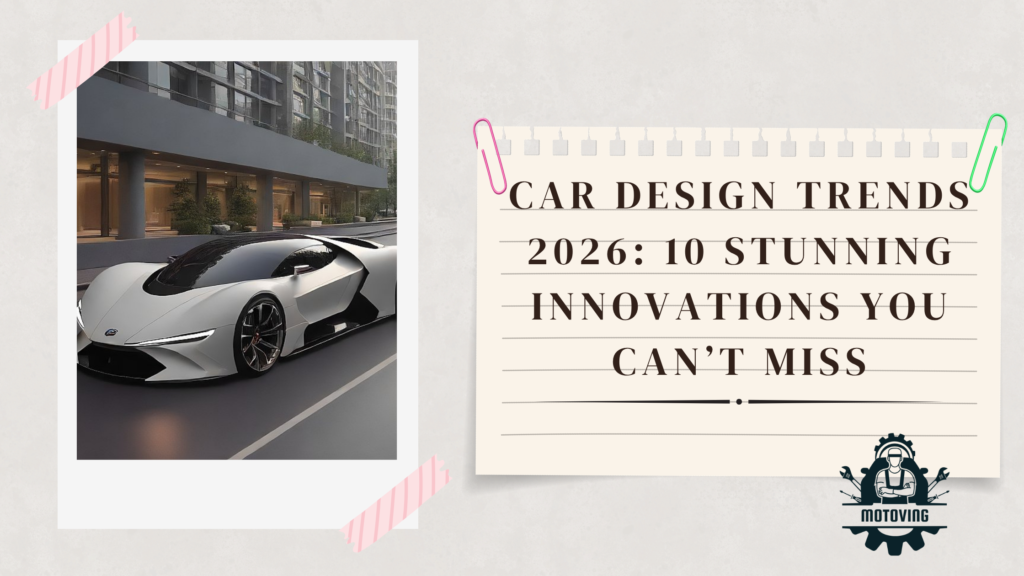
Car design has never been evolving faster than it is changing now, and the year 2026 is shaping up to be the design-breakthrough year of the automotive industry. Otherwise, the design of modern cars is not only about aesthetics nowadays, but the mixture of a high level of technology, environmental friendliness, and user-friendly experiences to make it as intelligent as it is beautiful. The automobiles used now have artificial intelligence within them, hence have smooth, futuristic bodies, thus altering the way of driving comfortably and in a fashionable way.
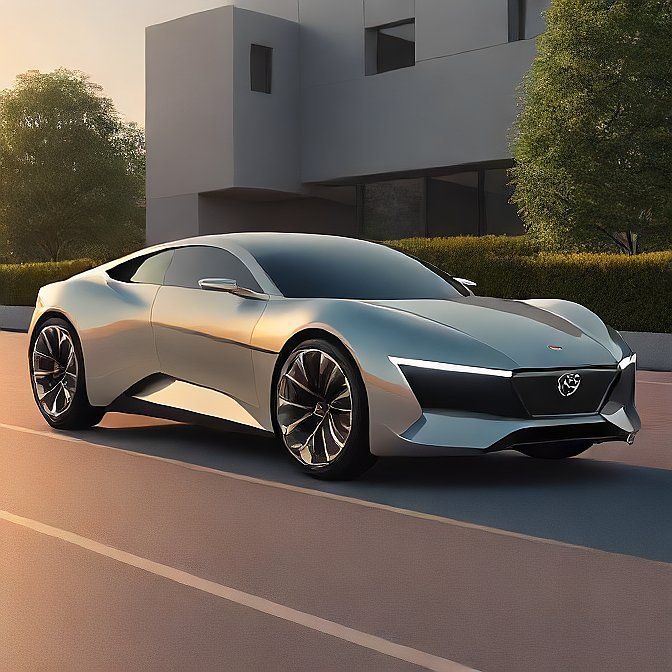
One of the biggest transformations in the design of cars can be said to be its transfer to smarter and more connected cars. Digital cockpits, augmented reality panels, voice-control systems, etc., are modifying how individuals can interact with their vehicles. In the meantime, the manufacturers are going green with sustainable materials and efficiency designs, which is witnessed by an increase in the need to be environmentally conscious without reducing performance or the luxury.
Less is Boldly more Minimalism Futuristic
The present concept of a car in 2026 takes the radical concept- simplicity is sophistication. Car manufacturers are obliterating all the superfluousness and are proceeding on to clean and sterile car designs that render them futuristic. This is not a change to minimalism in terms of appearance alone, but also performance, efficiency, and ease of use.
This is primarily controlled by smooth lines and a streamlined exterior that render the vehicles smooth and aerodynamic. The designers are stripping the car of visual clutter and letting the shape and proportions of the car speak for themselves. This makes it look more upscale and old school that is recognizable in the roadway.
The other most significant aspect is the use of hidden handles, plain panels, and flat surfaces. Handles on doors have been automatically pulled in the body, sensors have replaced large pieces of hardware, and panels are fitted together without any trouble. These inventions are not only aimed at making aesthetics better, but also drag, which will be useful in fuel economy or a higher EV range.
Lastly, modern cars have minimalism, as it is consistent with the future, which is defined by technologies being made an integral part of the object, and the shape must be assessed as a functionality and beauty.
Thinking Smart Interiors that are AI-driven
It is not an interior space of a car anymore; however, it is a smart space. The design of cars in 2026 is being immensely changed by artificial intelligence, as it transforms cabins into dynamic and reactive systems, changing to fit drivers and passengers at any time.
This technology is premised on a smart dashboard and a smart user interface. The screens have been designed to adapt to driving conditions and user preferences through altering the layout, brightness, and information displayed on the screens. Instead of operating a fixed system, drivers are being operated in a dynamic learning and evolving system.
The traditional buttons and knobs are being replaced by voice-controlled systems and gesture-based systems. Using simple commands or hand gestures, users can navigate controls, climate controls, entertainment, etc.- driving is easier and more natural.
Individualization also takes centre stage. AI is able to remember and modify everything, whether it is seat position, ambient lighting, music taste, or driving mode. Such customization allows each trip to be more comfortable and unique, and becomes a new standard of designing smart cars.
Sustainable Materials Car Design Redefined
Sustainability is no longer a choice; it is a pillar when designing cars in 2026. Automobile companies are rethinking the materials and manufacturing process in such a way that it has fewer harsh effects on the environment without making any compromises on the high quality and durability.
One of the most important changes is the use of vegan leather, the recycling of plastics, and organic fabric. These materials minimise carbon footprint and give a new set of textures and finishes that enhance the general look and feel of the interior of the car.
The increase in environmental production is also high. Firms are also venturing into greener processes to manufacture cars, such as consuming less water, less power-consuming production lines, etc. This will ensure that not only is the end product sustainable, but also the total lifecycle of the car.
As a result, sustainability is shaping the future of car design, and this incorporates the idea of responsibility and innovativeness. The fact is shown in modern cars, as luxury and performance are not the most effective items to compromise in order to achieve an eco-friendly choice.
Aerodynamic Fabrication Assembles with Art.
A perfect combination of science and art in car design is attained in 2026. It is not merely the art of drag reduction anymore; it is about creating vehicles that resemble a sculpture in motion and at the same time produce top-level performance and efficiency.
Carved forms of performance and efficiency are the sign of this trend. Curves, edges, and well-designed lines on the body provide that air moves smoothly over the vehicle, accelerating it, keeping it steady, and using less power, particularly in the case of an electric car.
Active aerodynamics and adaptive body parts come hand in hand with more innovation. Other features that are automatically controlled to maximize the airflow in the prevailing driving conditions include adjustable spoilers, air vents, and grille shutters. It is an active procedure that ensures the car is operating to its optimum in every situation.
And the true art is in the art of functional beauty. Designers are demonstrating that high performance does not necessarily need to be done at the expense of the design. Rather, functionality is taken to a higher level to increase visual attractiveness, making aerodynamic efficiency one of the focal points of designing modern cars.
Check Out: Electric Cars 2026: Upcoming Cars with Premium Features.
Second Level Lighting: Signature LED and OLED Designs
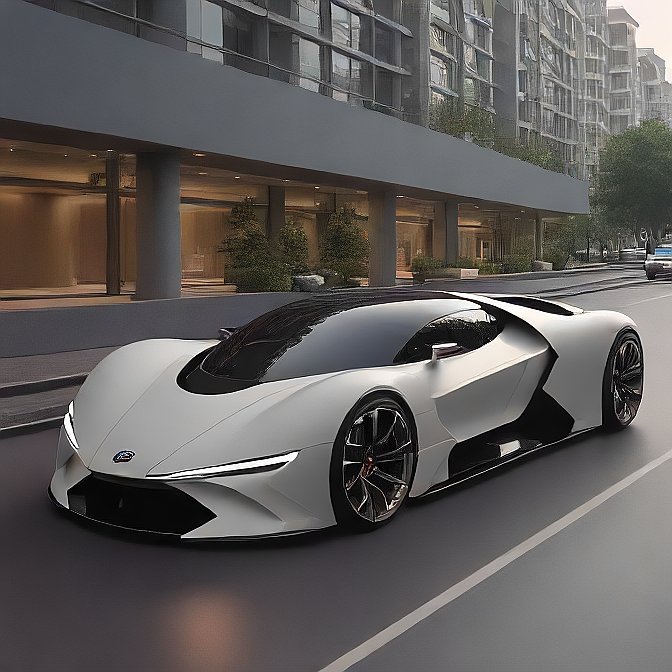
Lighting has become one of the most unique features of the automotive design, which makes cars recognizable pieces of art on the spot, whether it is during the day or at night. Lighting has ceased being practical in 2026 and is now a bold design choice.
This is being dominated by full-width light bars and animated lighting. In front and back, the light strips are made continuous, which gives it a futuristic appearance, and the dynamic animations make it look more flair and personality. These lights are usually used as brand identifiers so that the cars can be recognized even without looking around.
Another innovation is the smart headlights that have communication capabilities. High-tech systems are able to modify the beam patterns depending on the traffic and the weather, in addition to displaying signals or warning signs to pedestrians and other vehicles, which improves safety as well as communication.
Finally, lighting has been incorporated into the identity of car design. It is not only about the light, but also about narration, branding, and reinventing the visual communication of cars.
All-Digital Cockpits and AR Screens
There is a digital revolution of the interior experience, and the design of cars in 2026 will be driven by immersive and high-tech interiors. Convenience-based and driving awareness are becoming a reality in fully digital ecosystems, replacing traditional dashboards.
Among the features is the use of AR heads-up displays (HUDs). These systems show navigation, speed, as well as real-time warnings directly on the wind-shield, so that the drivers will be informed and still not need to look away.
Interaction is being reinvented by panorama screens and holography controls. Massive smooth screens run across the dashboard, and touchless or holographic displays make the interior more futuristic. This interface offers simple access to vehicle controls, navigation, and entertainment in a visually appealing manner.
The change of physical buttons to digital ecosystems is one significant change in automobile design. Modern cockpits are cleaner, more intuitive, and highly personalized to drive because of the minimization of clutter, as well as the incorporation of smart technology.
Ready-Autonomous Interiors: The Comfy Innovation
With the development of self-driving technology, the design of a car is moving the emphasis away from the driving experience to the comfort of passengers. By 2026, interior designs will no longer be designed around the driver, but rather will be made to be multi-purpose spaces that focus more on relaxation, productivity, and social interaction.
Lounge-designed seats are becoming more popular. Manufacturers are equally coming up with reclining, swivel, and even face-to-face seating arrangements in lieu of their fixed forward-facing seats. This transforms the cabin into a pleasant lounge wherein the passengers get to work, unwind, or socialize on the ride.
Scientific advancement of the rotating seats and bendable cabin design is another great innovation. These attributes allow the interior to customize depending on the nature of the travel, autonomous driving, or manual driving. The passengers can easily reconfigure the space to suit their requirements, and the vehicle is more of a living room on wheels.
The influence of self-driving technology on the design of cars is great. As the control of man is moved to machines, the designers can rethink the interior organization to be safer, more comfortable, and more flexible in the future of mobility.
Sensational Color Styles and Custom Glazes
In contemporary car design, color is also becoming a strong statement of identity. Bold finishes and options available in the creative customization of vehicles are redefining the way cars will be distinguished on the road in 2026, and give the owners more freedom than ever before.
The movement is in the direction of matte and satin paint, besides color-shifting paint. These finishes are extremely technologically advanced and smooth, having color-shifting (chameleon) paint, which changes the color depending on the source of light and the viewing angles. The effect of dynamism in the image of each vehicle makes it more distinctive.
Wraps and digital skins are also being popularized to personalize them. It is now easily achievable for a car owner to alter the look of his or her car through the use of high-quality wraps or even digital paint technologies. This can be customized indefinitely without any changes.
Carmen’s design trends are also dominated by unique textures. Textures are being applied to create a higher level of visualization and the sense of touch to both brushed metal effects and soft-touch surface effects and patterned surfaces. The combination of these innovations is that color and finish have become the focus of the contemporary automotive identity.
Modular Design: Cars That Change with Your Lifestyle
Flexibility is an emerging mark of the future car design, and modularity lies at the core of this change. The vehicles of the year 2026 will be personalized to fit diverse requirements, hence will be more versatile and will be ready to embrace future challenges than ever.
Standard parts and flexible settings enable users to customize their vehicles and make them suit their choices or way of life. Cars are becoming versatile and are changing into detachable interiors to swappable modules.
Other important innovations include expandable storage and smart spaces. Designers are maximizing the interior space by using foldable seats, compartments that are not visible, and redesign architecture. This is so that each inch of the car can be utilized effectively, be it for passengers, cargo, or both.
The car design in the future is oriented towards the movement of needs, where the cars become dynamic so that they can develop along with their owners. It could be commuting to work, travelling long distances, or travelling on business, modular cars are constructed to change conveniently- with unrivalled convenience, functionality, and value in the long run.
Hyper-Connected Vehicles: Design and the Connected World.
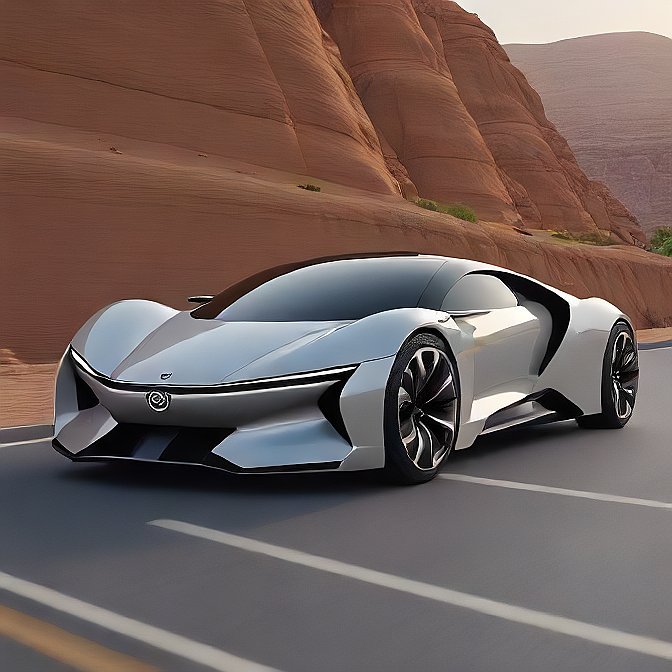
The design of cars is far beyond performance and appearance in 2026, and the car is turning into a full-blown digital node. The hyper-connectivity is altering the interrelations between cars and the drivers, their interrelation with other devices, and even with the environment, building a seamless digital ecosystem on the wheel.
Integration with smart homes and IoT devices is one of the key advances. Automobiles have now been integrated into homes, and one can now use their cars to turn lights on and off, turn their thermostats on and off, check security cameras, and so on, directly in their cars- or even pre-heat their homes before they get home. Such integration facilitates ease and simplifies the day-to-day activities.
Carmake is also changing the design of cars in a strong manner through over-the-air (OTA) updates. Rather than having to upgrade physically or visit the dealership, cars can be updated remotely by software. Such updates are able to enhance performance, introduce features, improve safety systems, and even change the user interfaces- so that the car keeps on improving with time.
Connection has been a new dimension of modern automobile design. The driving experience is changing with connected technology based on real-time traffic information and cloud-based navigation, seamless integration with the apps, and vehicle-to-everything (V2X) communication. The contemporary vehicles are not independent vehicles anymore: they are smart and connected systems of the future.
Conclusion
Innovation, sustainability, and a humanistic approach to design are great expressions of the car design in 2026. Futuristic minimalism, artificial intelligence interior, hyper-connected interior, and modular flexibility are just some of the ways through which modern cars are no longer just a means of transportation; on the contrary, they are smart, personalised, and downright efficient mobile experiences.
As the rate of technological advancement continues rising, car design will be more directly connected to our online activities and will offer smarter interfaces, more energy sources that are eco-friendly, and increased safety features. At the same time, the focus on appearance, comfort, and personalization will ensure that the car will be a representation of uniqueness and fashion at all times. The future of car design has nothing to do with cars and their looks, and car performance, but the connection, association, and transformation of cars with us.
For more info: Click Here.
FAQs
1. How do the trends of car design in 2026 look?
The most notable car design trend is the development of smart technology, including artificial intelligence-based car interiors, electronic dashboard, and built-in technology to enhance the driving experience.
2. What is the place of the notion of sustainability in the present-day car design?
The use of greener materials, clean manufacturing, and new design styles that are not harmful to the environment is being brought about by ecological safety without necessarily affecting quality and performance.
3. Will the car old fashioned stylistic details lose their place in the future?
Even though the traditional aspects will be having lesser traditionalism, they will not be missed altogether. Instead, they are uniting the design of the cars between the conventional design and the modern technology to create a balanced and futuristic design.