Table of Contents
Introduction: Wireless Car Charging 2025 – The Future of EVs Is Here
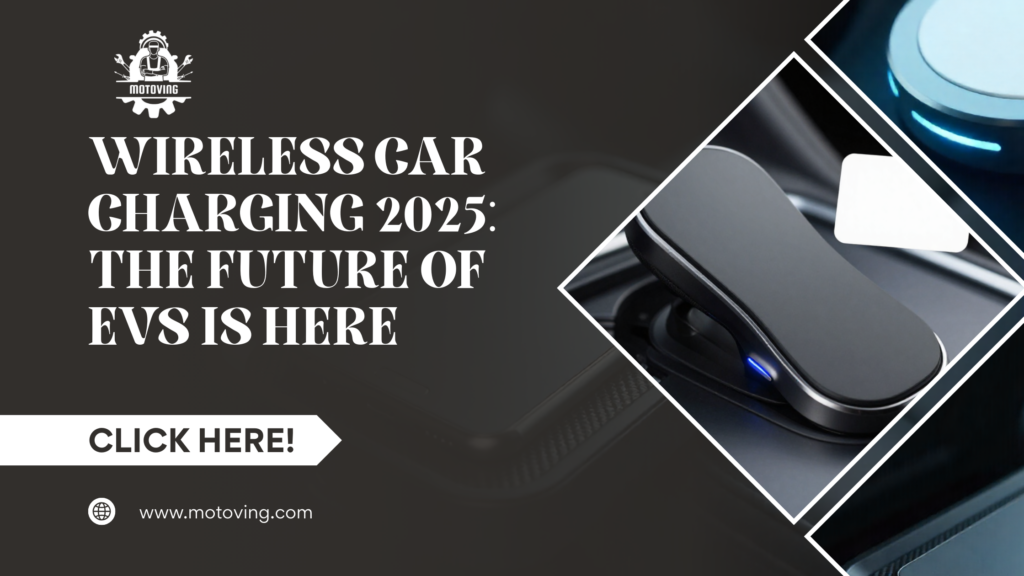
As the auto industry continues to be restructured with the use of electric vehicles (EVs), the charging procedure of EVs is evolving too. Wireless Car Charging is no longer a distant dream; it is coming into reality as a reality for EV owners in 2025. All you have to do is imagine that as you get to your garage/ parking lot, your car will be automatically charged without the necessity to use any cable at all. It is assured that the technology will provide unprecedented convenience, increased safety, and smarter energy management and the process of owning an EV has never been simpler and more effective.
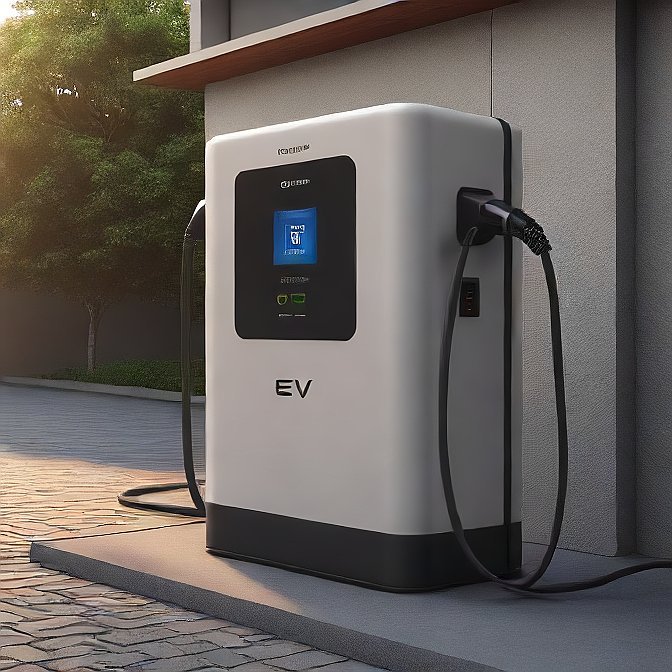
In this article, we will discuss all the aspects that you should know about Wireless Car Charging, how it works, the advantages of this technology, and most recent developments in the market, and what the future of driving can hold for drivers who are willing to be a part of the next generation of EV technology.
Top Benefits of Wireless Car Charging for EV Owners
- Ease and no hassle billing.
- Convenience is one of the greatest benefits of Wireless Car Charging. No more having to plug any cable in or mess with any tangled cords, you can just pull your EV over the charging pad and the system begins to work automatically. This hassle-free style simplifies the process of daily charging particularly for the hectic urban commuters.
- Increased Safety and Decreased Wear.
- The chance of using cables is removed through wireless charging. Tripping, frayed cords, broken plugs and ports are no longer an issue. Not only does this cover your home and the place you work against accidents but it also extends the lifespan of your EV charging hardware.
- Enhancing EV Performance and Performance.
- The other advanced wireless networks normally have smart energy control in order to make the best use of the charging rates. The Wireless Car Charging has the potential of maintaining healthy batteries, improving their life as well as the effectiveness of the vehicle due to the issue of overcharging the batteries and handling the heat which is caused by overcharging.
Wireless vs Traditional Charging
The comparison between Speed, Cost and Accessibility.
Despite being generally faster, wireless systems are becoming more efficient than plug-in chargers. Home wireless pad installation may be more costly in the short term but this will be covered by the convenience in the long-term usage and reduced wear. More cities are introducing wireless charging points in parking lots and other infrastructure in urban areas, which increases the accessibility of wireless charging.
Real and Environmental Reserves.
Wireless systems will also minimize the wastage of energy as they automatically regulate the vehicle and control the flow of power in the most appropriate way. They also reduce the effects on the environment by reducing the number of extra cables and manufacturing the same.
These are some of the pitfalls that need to be evaluated before changing.
Wireless charging is not that good a sight, but it has its advantages. It is sensitive to install and needs a designated space and the cost of installation might not be as high as that of the full capacity plug-in charger. EV brands are also being normalized and, thus, compatibility must be inquired about before committing ahead of time.
Dominating Companies and Technologies in Wireless Car Charging 2025.
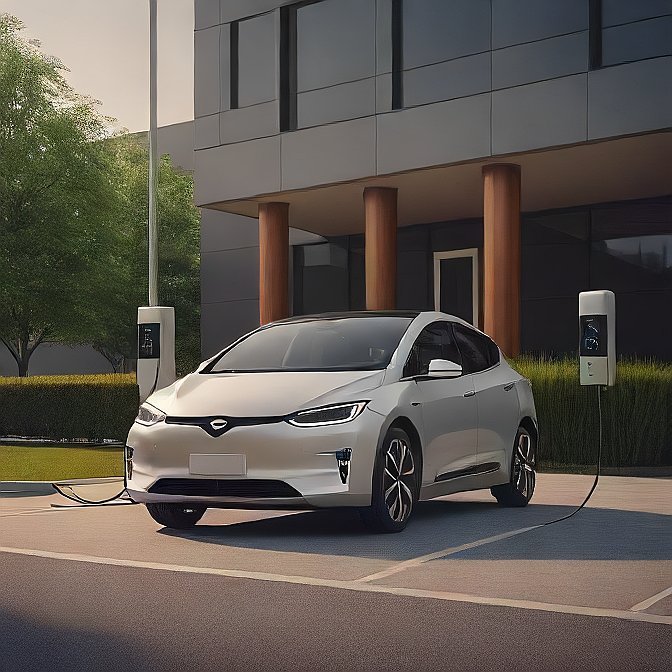
Power companies that have wireless charging.
Already, a number of larger EV companies have the option of wireless charging. Mainstream Tesla, Mercedes, and BMW are at the forefront, and new entrants and technological innovators are developing new solutions for the smooth energy delivery in EVs. This trend is an indication of the megatrend of how drivers will be driving their cars in the near future.
State-of-the-art Technology: Auto-alignment and Smart Applications.
New wireless systems are set with such features as automatic vehicle positioning, mobile application monitoring, and smart scheduling. Such improvements guarantee the proper performance of charging, eliminating the consumption of energy, and leaving the process of EV ownership easier and more convenient.
Wireless Car Charging Infrastructure: What’s Coming Next
Charging Stations in Cities and Urban Planning.
Cities are now beginning to incorporate Wireless Car Charging as part of the on-street parking, and highways, as well as shopping zones. This growth will simplify charging to the same effort as parking, and more individuals will switch to EVs. To achieve maximum convenience and reach, urban planners are working on a flawless location of charging pads.
Home installations Made Easy.
Home charging is coming to a reality. The new ones are small, simple to set up, and can be fitted in garages or driveways without significant renovations. Most models have smart applications that enable users to plan charge times, track the usage of the energy as well and even exploit off-peak electricity charges.
Smart Integrated Cities and EV-Friendly Cities.
In the future, smart cities will be characterized by the utilization of wireless charging. The embedded charging infrastructure will enable EVs to charge on the go by equipping roads, parking lots, and public spaces with embedded charging infrastructure. We will see a day when EV owners will hardly have to look for a traditional charging station.
Check Out: Dual Tone Car Colors Trending in 2025 You Must Try.
Challenges in Wireless Car Charging
Installation Requirements-Cost.
Although wireless charging is convenient, it is also costlier to install as opposed to the traditional plug-in chargers. It requires a planned pad, electrical installation and in certain instances, structural adjustments, which can be one of the reasons why not all of the early adopters can be motivated.
Standardization between EV Models.
At the moment, not every EV can work with any wireless charging system. Interoperability may be restricted due to the absence of standards in the industry, so buyers should always check before setting up an installation whether it would work with their particular model of car or not.
The Higher Economy and Possible Losses.
Through the Inefficiencies of the electromagnetic transfer, there might be small losses of energy in the wireless charging systems relative to plug-in chargers. Such losses are however being gradually eliminated with the ever-present technological advances and wireless charging is bringing rivalry nearer and nearer.
Future of Wireless Charging
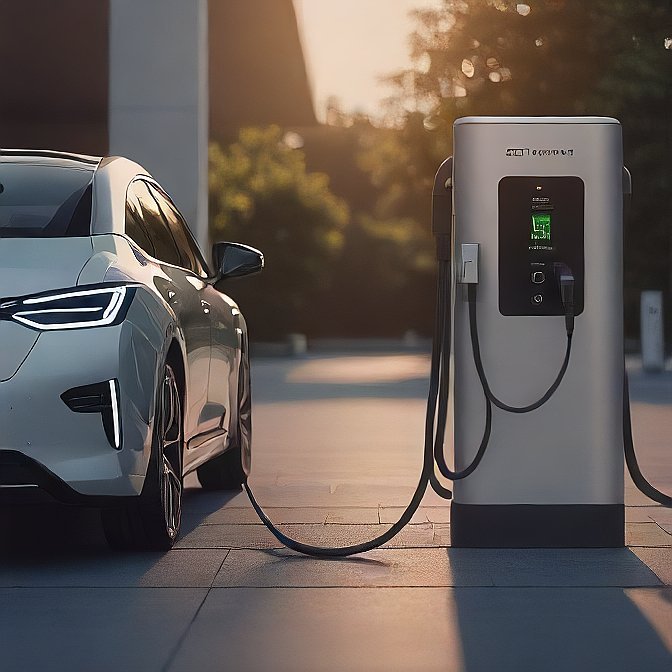
EV Charging Ecosystems: Fully Automated.
The second generation of wireless charging will be fully automated words where the cars will be able to find a parking place, align and charge without the presence of a human operator. With intelligent sensors, guidance through AI and networked charging pads, EV charging will be totally frictionless.
Wireless Charging of Autonomous Vehicles.
As the autonomous vehicle is coming to reality, wireless charging will play a crucial role in keeping the fleets afloat. The driving of EVs can automatically seek and charge vehicles, so it reduces downtime and optimizes the efficiency of a fleet.
The Future International Body Effect on EV Adoption.
The use of wireless charging in mass numbers would help move the world towards electric cars. The automotive industry around the globe will transform as EVs become more attractive to ordinary drivers thanks to easier access to the charging infrastructure, fewer maintenance issues, and increased convenience.
Conclusion
While it remains a futuristic concept, Wireless Car Charging is becoming a realistic, convenient, and effective one to serve the EV owners in the year 2025. This technology is transforming the way we charge our cars, whether it is the convenient option of charging from the comfort of our own homes or via the shared infrastructure and integration of a smart city.
Even though issues of cost, standardization and energy efficiency still exist, advances in automatic alignment, smart applications and entirely automated systems are fast turning wireless charging into a mainstream reality. As the usage of EVs is rising now, it is possible that wireless charging will become a key element in making the electric mobility safer and smarter and available to everyone.
For more info: Click Here.
FAQs
1. What is the speed of wireless charging in comparison with the conventional plug-in charging?
The rate of wireless charging is lower than the high capacity plug-in chargers. However, the distance is rapidly being eradicated by the advancement of technology and in the day to day commuter life, wireless systems are convenient and efficient in charging.
2. Wireless charging: Does it ruin my EV battery?
No. The wireless charging systems used in the modern world have smart energy control, which inhibits overcharging and overheating which ensuring maximum battery health and life.
3. Wireless charging: Why should wireless charging become mainstream?
The wireless charging is rapidly growing both at home and at the level of infrastructure. It will likely be a standard in new EVs and cities with EV-friendly conditions across the globe by the middle and end of the 2020s.