
Table of Contents
Introduction
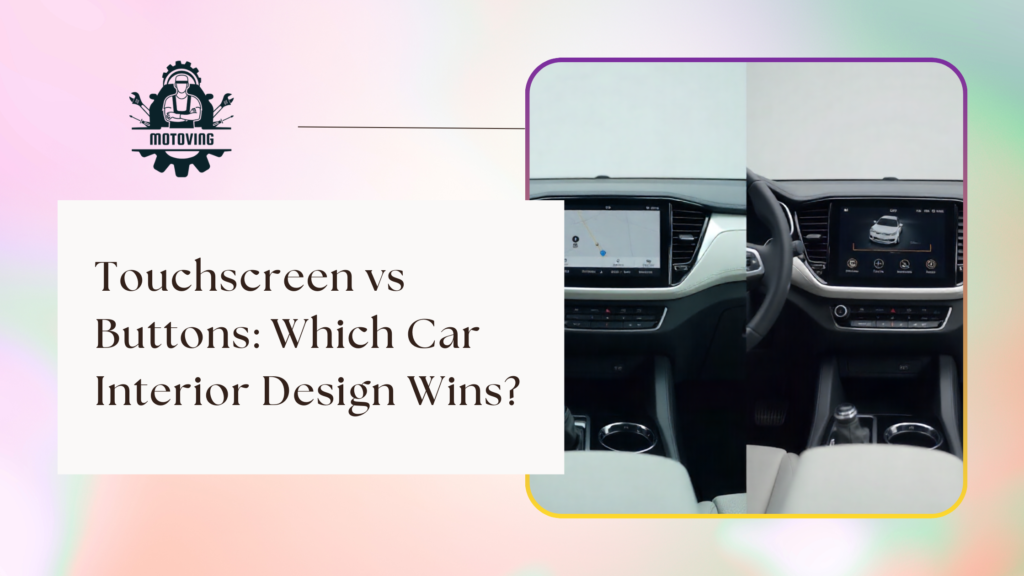
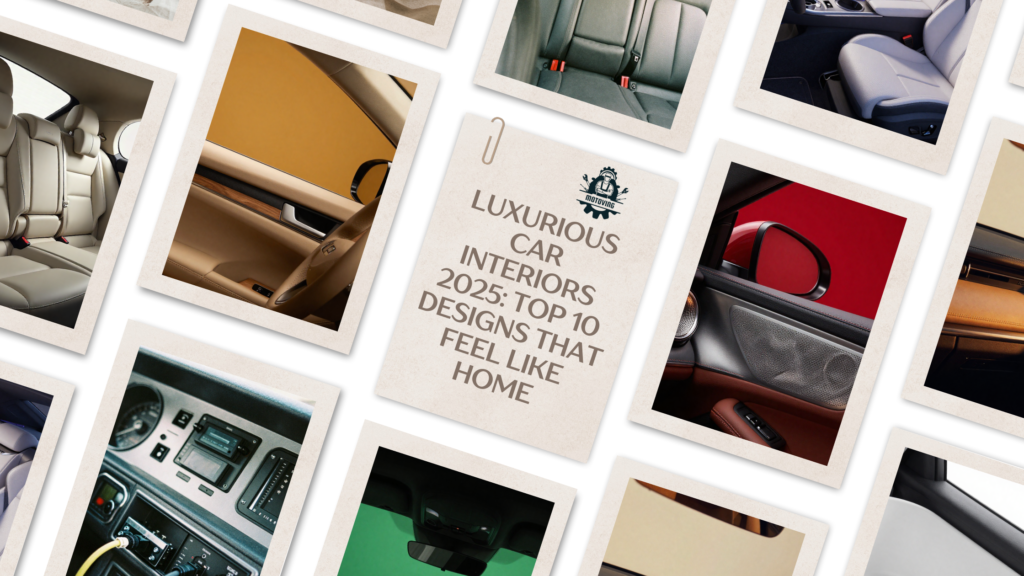
The interior design of cars has developed way beyond aesthetics. Nowadays, it is vital to the comfort of drivers, their safety, and their driving experience in general. The question of whether touchscreens or physical buttons should be used is one of the most burning debates in modern automotive design. Although touchscreens may be the way to go in terms of sleekness and futuristic interfaces, there are still buttons with their tactile feedback and ease of use, which many drivers still appreciate.
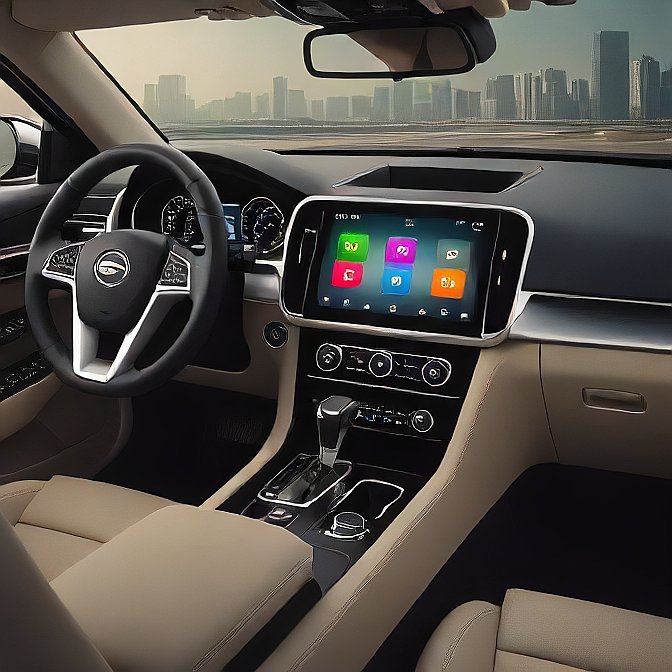
Here, we will discuss the advantages and disadvantages of both methods, discuss the effects of each method on the usability and safety, and unveil the role of car interior design in the future of driving. Regardless of whether you are a tech-lover or a conservative, this debate can make you value the design of a car cockpit.
The Evolution of Car Interior Design
Digital to Analog: The Decades-Old Interior Metamorphosis.
The interior design of cars has gone very far because of the early cars that used to have simple analog dashboards. Conventional interiors were rather functional and were implemented with dials, knobs, and buttons. Technology has transformed the interaction between the driver and the vehicle and has come in over the decades with digital displays, information and entertainment systems, and complex controls taking the place of the previous ones.
User Experience in the Interiors of a modern car.
The contemporary car interior design is focused on the user experience (UX). Designers currently look at the interaction of drivers with controls, ease in accessing features and minimum distraction- all with a visually appealing environment.
The interface (buttons or touchscreen) is an important issue that needs attention.
The interface that a car employs is not only a design decision, but this will also influence safety, convenience and satisfaction to the driver. The ease of various buttons and touchscreen-smooth surfaces may determine the difference between a pleasant and comfortable driving experience.
The Case for Buttons: Timeless, Tactile, Reliable
- Benefits of Physical Buttons in the interior of the car.
- The physical buttons are not bad and that is why they are quite popular; they are familiar and reliable in controlling vehicle functions.
- The Tactile Feedback and the Muscle Memory.
- Drivers are able to use the buttons often without glancing off the road. Such a tactile response creates muscle memory, which has quicker and more certain communication.
- Safety: Easier to use and does not take the eyes off the road.
- It is possible to identify and use buttons intuitively which will minimise the distractions and enhance the safety of driving.
- Durability and Longevity
- The buttons are more resistant than touchscreen interfaces in extreme environments like extreme temperatures or prolonged use.
- Best examples of Button-Focused Car Interiors: Iconic.
- Sports cars and luxury sedans such as the BMW 3 Series or the Porsche 911 will always keep a heavy button-filled dashboard to have a mix of tradition and convenience.
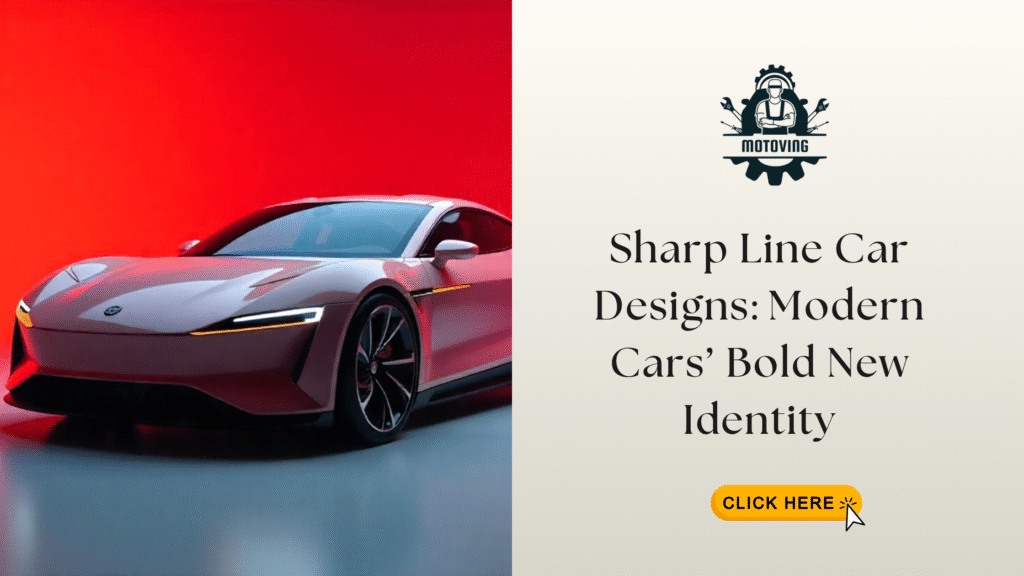
Check Out: Soft vs. Sharp Car Body Curves: Which Design Wins in 2025.
The Rise of Touchscreens: Sleek, Modern, and Customizable
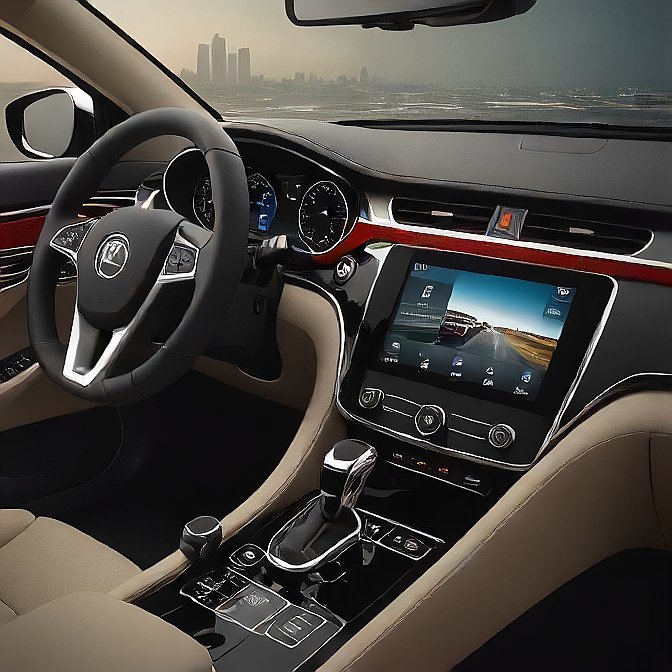
- Advantages of Touchscreen in Interior Car Design.
- The touchscreens have changed the interior design of the cars providing smooth and minimalist features with an unlimited range of customization options.
- Scanty Design and Beauty.
- Touchscreens reduce clutter and thus the designers can design the cockpit that is clean and futuristic and appealing to the drivers in the present day.
- Plasticity: Software Updates and Customization.
- Touchscreen interfaces can be updated through software unlike buttons, which introduce new features without any hardware modification. It also allows users to modify layouts and functionality to their preference.
- Assimilation with Smart Technology.
- Voice controls, navigation apps, and connected car systems are easily implemented on touchscreens, which make driving in a high-tech environment.
The difficulties of Touchscreen Interfaces.
- Learning Curve for Drivers
- Touchscreens are not as user friendly as some drivers might expect and require time to master how to navigate and use gestures.
- Potential Concerns of Distraction.
- Touchscreens may require one to be visually attentive, and this may lead to distraction during driving.
Comparing Usability: Buttons vs Touchscreens
- Convenience and Safety of the Drivers.
- Buttons are useful when accessing critical functions more quickly and intuitively, whereas touchscreens are practical in terms of putting numerous functions together.
- Quickness and Precision of Control.
- The physical buttons will give perfect control without errors unlike a touchscreen which may require a number of taps or swipes which will influence the efficiency.
- Accessibility Considerations
- Buttons can be more convenient to drivers of various age groups or technological levels of comfort. Touchscreens might be more attractive to users who are technologically oriented, yet the problem can be countered with the help of accessibility.
- Practical Investigations or Questionnaires.
- Recent studies indicate that touchscreens enhance aesthetics, however, most drivers can be found using buttons for the common controls because of the familiarity and ease of use.
Hybrid Interiors: The Best of Both Worlds
A Hybrid of Buttons and touchscreen in Modern Car Interior design.
A hybrid model, where physical buttons are combined with touchscreen controls, is now being embraced by many automakers. With this approach, drivers will be able to have the smooth appearance of touchscreens and have tactile controls on basic operations, and this will be the ideal mix of fashion and functionality.
Cars that Have Applied Hybrid Approaches Well.
Hybrid Cab: Cars such as Mercedes-Benz S-Class and Audi A6 feature hybrid interiors with some of the most critical controls, including climate settings, being in the form of buttons, whilst infotainment and navigation is managed via touchscreens. These designs bring out the coexistence of flexibility and convenience.
Why Hybrid Design may be the Future.
Hybrid interiors appeal to more people by integrating the advantages of buttons and touch screens. They make the process safer, easier to use, and give the ability to develop the design of the car interior without having to compromise on functionality and appearance.
The Effect of the Car Interior Design on the Driving Experience.
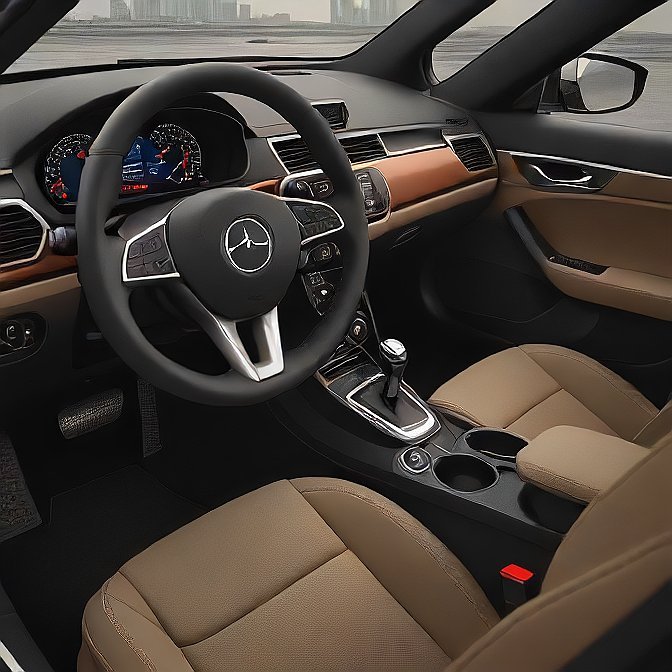
User interface Affectiveness and Psychological Impact.
The controls used influence the attitude of the drivers on the wheel. A good interface may make driving natural, calm and fun whereas a poor interface may lead to frustration and anger.
Luxury Perception and Practicality.
Touchscreens have a tendency to be perceived as luxurious and modern whereas buttons are perceived as practical and reliable. The balance of these aspects can determine the general attractiveness of a car.
User Satisfaction and Prolonged Interaction.
When drivers find themselves in cars with interfaces that they like, then they are more likely to enjoy the vehicle and will stick with it. The interior design of the cars that are both usable and stylish may enhance the level of long-term satisfaction greatly.
Expert Opinions and Industry Trends
Knowledge of Automotive Designers and Industry Reports.
The designers of the automotive industry are keen to point out that the future of car interior design is not a matter of taking sides but of developing interfaces that are safe, user-friendly, and attractive to look at. According to industry reports, there is a tendency to increasingly use hybrid designs and smart touch interfaces.
Car interior design is anticipated to be the sam
It is not a question of taste anymore, but the determining element of the contemporary car interior design, whether to use touchscreens or buttons. Buttons provide tactile feedback, reliability and ease of use and touchscreens provide smooth aesthetics, customization and advanced connectivity. The emergence of hybrid interiors proves that the future of car design is the integration of the best of the two worlds, which ensures safety, convenience, and style to every driver.
No matter how practical or as modern you are, as much as you can absorb about these design decisions, you can find it easier to enjoy the way considerate car interior design adds to the driving experience.
For more info: Click Here.
FAQs
1. Buttons or touchscreens: Which one would be safer?
When dealing with functions to be used on a regular basis, buttons become more efficient since they offer a sense of touch which enables motorists to manipulate their controls without necessarily looking out from the road. Touch screens have the drawback of being distracting, particularly when poorly designed or excessively complicated.
2. Will car interior design become more of a hybrid?
Yes. Hybrid interiors are a combination of the physical trust of the buttons, the contemporary style and adaptability of touch screens to suit a broad spectrum of drivers and enhance their usability and also their appearance.
3. What is the relationship between the interior design of the car and the satisfaction of the driver?
An interior design enhances user comfort, ease and interaction. It would affect emotional reactions, perceived luxury and long-term satisfaction hence it is an essential aspect of the enjoyment and loyalty of the vehicles.
Nice comparison!!!!