
Table of Contents
Introduction: Why Car Body Curves Matter More Than Ever
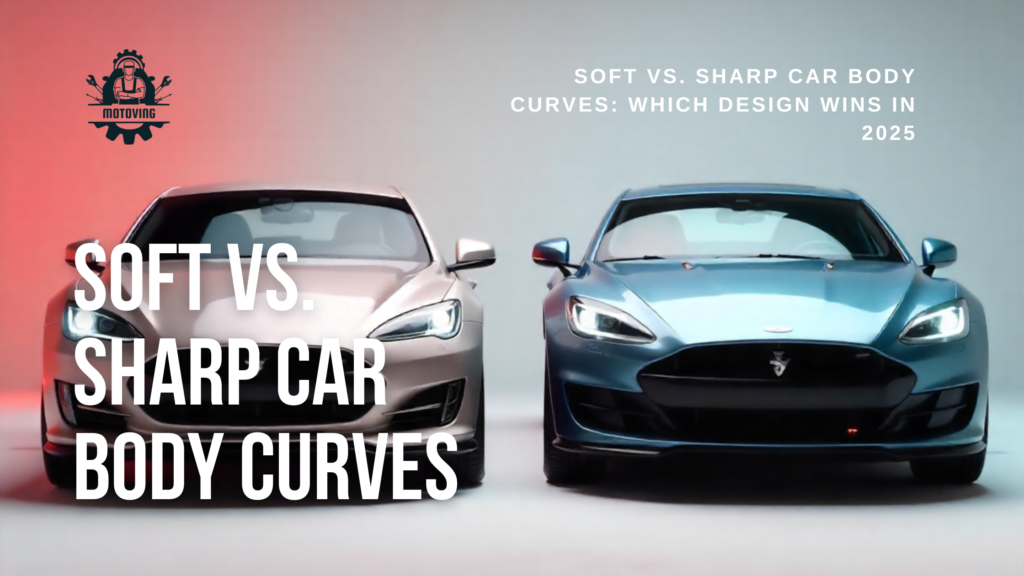
By 2025, the design of cars will not be based on visual appeal but on a strategic combination of performance, efficiency, safety, and brand identity. The focus of this evolution is the curves of the car bodies, the flowing or angular lines that shape the appearance of a vehicle, its movement in the air, and the emotional connection to its drivers. With electric cars, sustainability concerns and new aerodynamic capabilities driving car makers to the brink of competing against each other, the question of soft vs. sharp car body lines has never been as relevant as it is today.
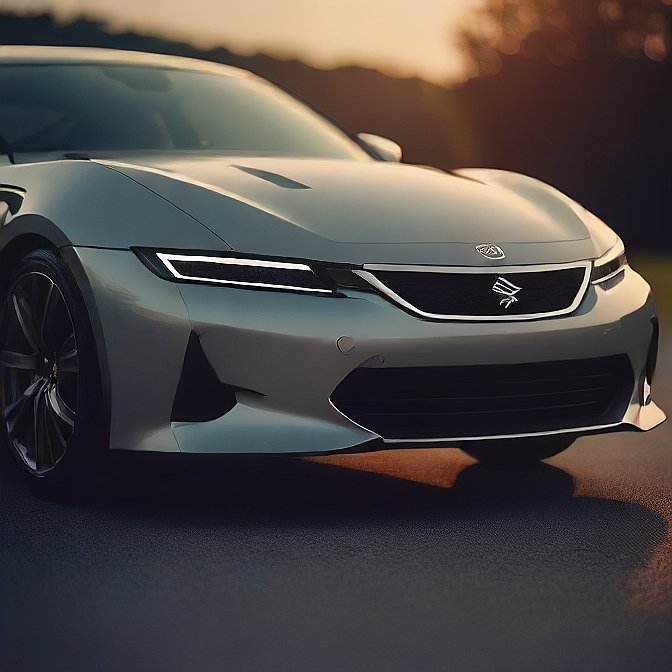
Rounded and soft curves are promising elegance, efficiency and timelessness, whereas sharp and aggressive lines are offering power, innovativeness and futuristic touch. Both philosophies affect the design in terms of the drag coefficients, the safety of pedestrians, as well as the consumer perception and resale value. This is because by comprehending the manner in which these car body curves work, and what curves prevail in modern-day roads, buyers, enthusiasts, and designers would make effective decisions in 2025 and beyond.
Understanding Car Body Curves in Modern Automotive Design
What Are Car Body Curves?
Car body curves are the deliberate curves of the exterior surfaces of a vehicle, such as lines, edges and contours that are used to determine the overall shape of the vehicle. These curves are important in the styling of vehicles as they influence brand recognition, feelings and initial impressions. Subtle or dramatic, the curves on car bodies dictate the message of elegance, power or innovation conveyed through a glance at the modern vehicles.
In addition to aesthetics, the curves on the car bodies influence the airflow, fuel consumption and visual balance directly. The curved lines are used to minimize the air resistance, which will enhance the aerodynamic efficiency and reduce energy usage, which will be a vital aspect to consider with the 2025 electric cars. Sharp creases, conversely, are a strategically oriented direction of airflow with the benefit of increased visual acuity and perceived performance.
A Rapid Excursion through the History of Car Body Curves.
There has been a revolution in the way automobiles are designed. The earlier cars had curvy and smooth body of cars because of the limited production methods and poor aerodynamic knowledge. Sharper lines and aggressive shapes were created as the performance requirements grew to indicate speed and power.
Design freedom has been transformed with the advancement in computer-aided design (CAD), lightweight materials and precision manufacturing. The curves of the car bodies in the current days are not limited by the tooling capabilities and the designers can make soft and sharp at the same time with precision, efficiency and sustainability in mind.
Soft Car Body Curves: Timeless Elegance Meets Efficiency
What makes Soft Car Body Curves?
Soft car body curves are those that have flowing surfaces, soft edges and a transition between panels without a seam. These designs are focused on harmony and continuity as opposed to abrupt discontinuities. They are usually observed in high-end sedan cars, high-end SUVs, and electric vehicles where the refinement and efficiency are paramount.
The benefits of Soft Car Body Curves.
Among the largest advantages of soft car body curves is better aerodynamics. Rounded surfaces enable air to pass all over the car, facilitating a reduction in drag and enhancing fuel efficiency or electric range. Soft curves also increase the safety of pedestrians since hard impact areas are reduced.
As a consumer, the designs are very attractive to comfort-conscious consumers who believe in sophistication, silence, and according to the looks, durability.
Disadvantages of Soft Car Body Curves.
Although beautifully designed, the soft curves of the car bodies might be less sporty or aggressive to the performance driven customers. Excessively smooth designs may also inhibit brand differentiation in very competitive markets so that vehicles appear similar with weak character lines.
Sharp Car Body Curves: Bold, Aggressive, and Futuristic
What Characterizes Sharp Curves of Car Bodies?
Angular lines, sharp edges, and carving surfaces are dependent on sharp curves of the car bodies, which give a bold and aggressive look. These designs also focus on tension and motion, even when the vehicle is not in motion. They particularly prevail in sports cars, performance sedans and aggressive SUVs.
Benefits of the Sharp Curved Body of the car.
Car body curves are sharp, providing a solid presence on the road and immediate visual arrest. They are targeted mostly at young and performance-oriented customers who connect angular design with speed, innovativeness and confidence. Designed in the right way, sharp edges can also enable higher airflow channeling to cool and provide aerodynamic stability.
Disadvantages of Sharp Curves in Car Bodies.
Nevertheless, sharp car body curves have the propensity to augment the intricacy of manufacturing and the expense of production because of reduced tolerances and advanced tooling demands. It is also possible to experience accelerated visual aging where aggressive designs are out of fashion sooner than less aggressive, classic designs.
Check Out: Hybrid vs Petrol vs Electric: Which one is better?
Soft vs. Sharp Car Body Curves: A Head-to-Head Comparison

Design Appeal: Affectiveness vs. Hostility.
Soft curves of car bodies would give calmer, elegant and sophisticated feelings when it comes to emotional connection. They are close to customers who attach much importance to comfort, luxury, and classical design, frequently to families and owners of high-end vehicles.
Conversely, angular car body lines convey aggression, assurance, and performance. Their straight edges and hard lines appeal to young drivers and fans who equate hard-edged style to speed, innovation, and modernity. In the end, it all comes down to whether or not the emotional charm or the visual intensity of the images is important to buyers.
Aerodynamics and Efficiency in 2025.
By 2025, computational fluid dynamics (CFD) and wind tunnel testing will have made it possible to attain amazing aerodynamic efficiency by both soft and sharp curves on car bodies. The inherent smooth curves lower the drag with smooth airflow, which is an advantage when it comes to fuel economy and EV range.
Such sharp designs, which were once thought to be less aerodynamic, are now using engineered creases, air channels and active aero components to reduce turbulence. Engineering today makes both philosophies of design capable of stricter standards of efficiency and emission norms.
Sustainability, Cost and Manufacturing.
The form of car body shapes has a great impact on manufacturing complexity and sustainability. The soft curves, in general, are less difficult to stamp and assemble, minimizing the costs of tools and waste materials. They are also compatible with sustainability objectives because of the simplified panel designs.
The smooth edges of the car body could require better quality of tools, tightening of tolerances and the materials that could cost the production even more. However, with the invention of lightweight alloys, recycling of materials and modular production, innovations have been in a position to balance the hurdles and render the process more recyclable.
Car Body Curves Trends Dominating 2025
The Emergence of Hybrid Curve Designs.
Among the most powerful tendencies of 2025, one can highlight the emergence of hybrid car body curves – a soft surface with a sharp character outline. This method provides aerodynamic efficiency at the same time preserving bold visual identity giving the best of both worlds.
Impact of Autonomous Vehicles and EVs.
Electric and self-operating cars are transforming the body curves of cars at their very base. Positioning of the battery requires flat floors and optimum proportions whereas systems like sensors, cameras, and LiDAR can affect the design of the front end and roofline. This is causing curves to become more practical, accurate and technology-based.
The Choice of What Leading Automakers Are Making.
The mixed design languages are increasingly becoming popular among global automakers. Brands are no longer going all soft or all hard, but rather elegant curves with tactical advantages, plus efficacy and safety provisions.
Which Car Body Curves Win in 2025?
Not One Size Fits All.
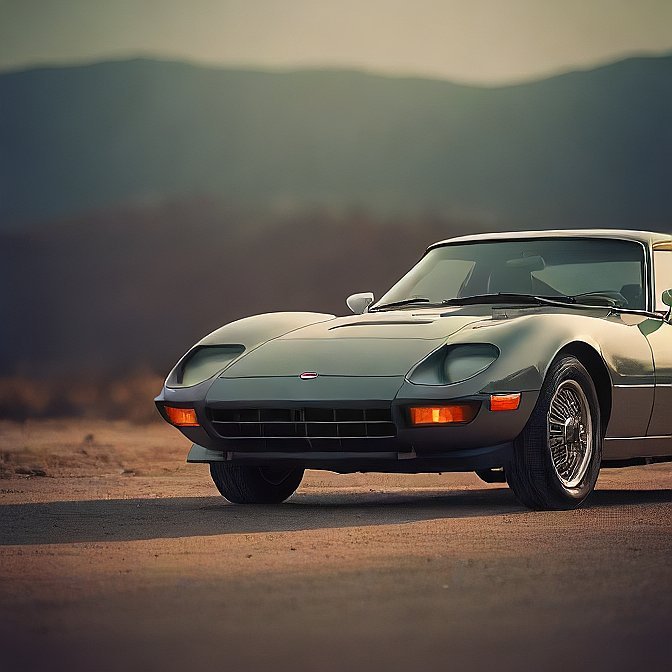
The argument on the curves of the body of the car has no winner. Mixed design ideologies prevail since they serve a wide range of market units. Both luxury, performance and EV consumers are interested in various visual and functionalities.
What Buyers Should Look For
In selecting a vehicle, the buyer must align the curves in the car body to their lifestyles, the performance requirements and long-term value. Soft curves are more comfortable, efficient, and classically attractive, whereas sharp curves are boldly styled and sporty in nature. The best option is one that is attractive and practical; one that has good chances of reselling at an elevated price.
Conclusion:
With the ever-changing automotive design, car body curves have been considered a classic factor of car performance and outlook, as well as the contact with the driver. The idea of using soft or sharp curves in 2025 is not a question of making a choice between them, but rather an issue of balance. Soft curves offer aerodynamic functions, safety and classic refinement whereas the sharp curves offer boldness, personality and futuristic touch.
As the field of engineering, materials, and electric vehicles is improved, automakers are now starting to combine both styles to satisfy the various needs of consumers. Eventually, the groundbreaking car body contours are those that match the lifestyle of a driver, performance demands, and long-term value. The design success of 2025 is achieved through versatile car body contours, not extremes.
For more info: Click Here.
FAQs
1. Do soft car body curves have greater aerodynamic efficiency?
Yes, it is true that curves on the car bodies are always more aerodynamic as smooth and rounded surfaces of their body enable the air to pass smoothly in all directions surrounding the vehicle which helps to reduce the drag. This can frequently lead to increased fuel efficiency and an extended range of electric driving.
2. Do steep car body curves enhance performance?
Combined with advanced engineering, the sharp curves of the car body may improve its performance. Strict lines and molded surfaces assist in directing airflow to cool, maintain stability and downforce particularly in sports and performance-oriented vehicles.
3. Are there better car body curves that sell better?
Cars with symmetrical contours of the car body, both soft and elegant and with a touch of sharpness, would retain a higher proportion of resale value. Classic designs are more mature and graceful than the aggressive or trendy fashion style, and attract a broader market niche in the long run.


Silver, I believe, is the best color in terms of maintainability and resale value. Silver is a very generic color and comes in almost all models of cars. Silver doesn’t show scratches and dust easily. People buying a used car may prefer silver over a color that has questionable maintainability.
Absolutely agree. Silver is easy to maintain, hides scratches and dust well, and has broad appeal in the used car market, which helps with resale value. Its neutral and timeless nature makes it a safe choice for most buyers.