

Table of Contents
Introduction: Why Eco-Friendly Car Interiors Are Taking Over in 2025
The automobile sector is shifting towards green technology and the Eco-Friendly Car Interior is currently the biggest part of this revolution. By the year 2025, drivers will be ready not only to have a good fuel economy or to be powered by electricity but also interiors that demonstrate environmental responsibility without compromising comfort or style. Plant-based leathers, recycled plastics, and natural fibers are all making car cabins healthier, greener, and luxurious than ever previous times.
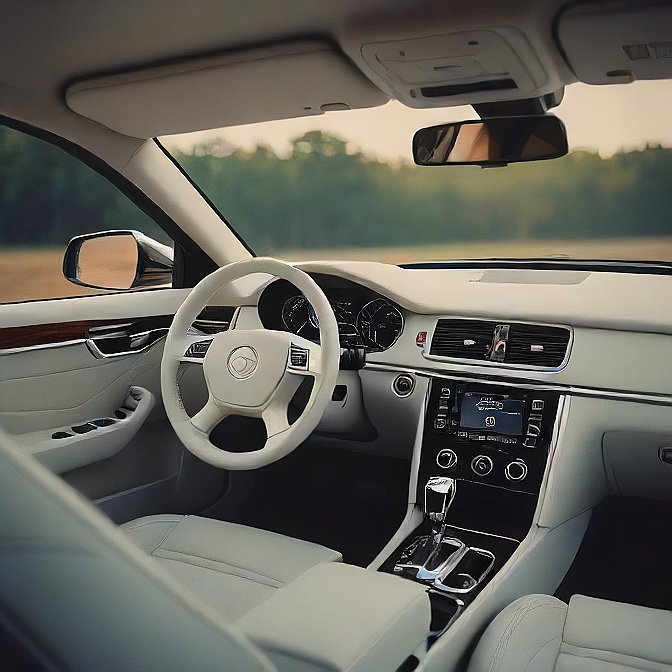
The increased environmental awareness, stringent laws, and demand for ethical products by consumers are compelling automakers to re-evaluate the type of materials to use in the interiors of the vehicles. The current car interiors which are eco-friendly, not only lessen the carbon footprint but also enhance the quality of the air, durability and long-term. Whether it may be your commuter car or your luxury car, sustainable interiors are making it possible to realize that being green on the inside of your car is not only practical, but also will be a personal desire in 2025.
What Makes a Car Interior Truly Eco-Friendly?
The interior of a really Eco-Friendly Car does not just satisfy the promises of the company marketers, but is all about responsible materials, healthier cabin conditions, and sustainable performance over time. The changes happening in the year 2025 will involve the companies redesigning the interiors with ethical sourcing and material innovation based on technology.
However, Sustainable Sourcing and Ethical Materials.
The interior of the cars is green using renewable, recycled and conscientiously harvested materials. Fabrics made of plants, recycled plastics, and certified wood are all materials that reduce the use of fossil fuels and unfriendly means of extraction. These materials have the ability to lower the overall carbon footprint of the car due to the minimization of energy use and emissions during manufacture.
Cabinets: Low-Emission Non-Toxic Materials.
The contemporary green interior is health-conscious towards occupants. Low-VOC (volatile organic compound) compounds reduce the toxic emissions, which result in the enhancement of the air quality in the vehicle. This is particularly relevant to families, children and drivers who have to spend much time commuting or traveling.
Sturdiness with no recoil to the environment.
Sustainability constitutes longevity as well. The eco materials are designed to be of high quality and be able to withstand longer wear and also be able to preserve their look with time. This minimizes wastage, replacement rate and maintenance expenses- making environmentally friendly interiors viable and responsible in terms of the environment.
Top Eco-Friendly Car Interior Materials Dominating 2025
Newly developed materials are making car cabins sustainable but at the same time luxurious. These are the most famous Eco-Friendly Car Interior materials that are taking the lead in 2025.
Vegan leather Replacements That Are Plush.
Alternatives to leather, such as plants and recycled leather, are now so soft, durable, and high-quality in appearance as traditional leather, without causing harm to animals. These materials are waterproof, simple to clean, and have minimal effects on the environment will still have an elegant touch.
Re-plastics were used to make high-end finishes.
Manufacturers are turning the ocean plastics and post-consumer waste into smooth dashboard panels, seat fabrics and trims. Recycled plastics can be used to create luxury textures due to advanced processing methods and this demonstrates that sustainability and luxuriousness are not mutually exclusive.
Fabrics that substitute natural fabrics are made of natural fibers.
The use of materials such as hemp, bamboo, organic cotton, and wool is now being used in cars. These organic fibers are natural, light, and can be recycled and therefore are comfortable and stylish and help in promoting environmentally-friendly production.
Green Building Materials: Wood and Bio-Composite Trims.
Plant-based composites and wood, certified by FSC, have become the source of warmth and loveliness of the modern cabins. These eco-friendly-procured materials provide a sophisticated appearance and finish and contribute to sustainability in the forestry and reduce the consumption of synthetic alternatives.
Why Drivers Are Loving Eco-Friendly Car Interiors
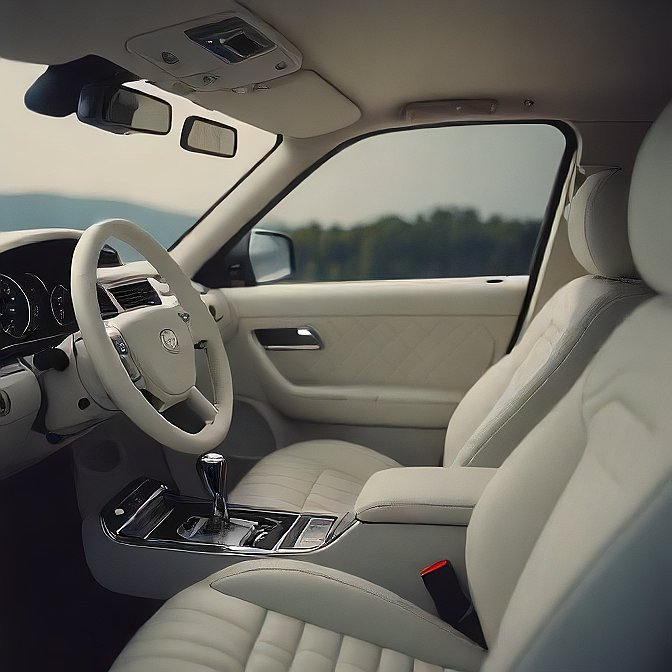
It is not only a move towards an environmentally friendly interior, but also a move towards improving the driving experience.
- Healthier Cabin Environment.
- The toxins and allergens in the car interiors are few and therefore, eco-friendly car interiors create a cleaner and safer environment. The everyday commuting will also become easier due to the improved air quality and the number of long-term health problems will be reduced.
- Luxury Without Guilt
- The drivers of today are seeking fine experiences without harming the environment. Sustainable interiors provide modern luxury and leave the owners with no doubt that their environmentally conscious decisions are made, making sustainability a new status symbol.
- Better Long-Term Value
- Materials that are eco-friendly are meant to get old naturally. They are a good future investment, particularly due to their longevity, low maintenance, and increasing demand in the markets that are green-conscious.
Check Out: Aerodynamic Car Designs 2025: Why They Truly Matter.
Car Brands Leading the Eco-Friendly Interior Revolution in 2025
Manufacturers in all segments are putting money into the Eco-Friendly Car Interior development. By 2025, the concept of sustainability does not just relate to electric powertrains anymore; it applies to how cars have their cabins designed, sourced and experienced.
- Electric Brands and Hybrid Brands That Change the Game.
- Automobile producers of electric and hybrid types of vehicles are making sustainable cabins a priority, starting with the design. The recycled plastics, vegan leather, and bio-based fabrics are the common attributes of many EV brands. Their clean-sheet designs enable interiors to be lighter, toxin-free, and energy-based- this means that eco-friendly materials are an essential part of what they are, and not a way to make their identity look better.
- Luxury Brands that adopt Green Design.
- The automakers of luxury cars are proving that one can be both sustainable and prestigious. High-end brands now incorporate FSC-certified wood elements, plant leather and adhesives with low emissions in high-end craft. These green interiors also give the luxury touch but the added advantage is that it attracts green-conscious customers who will look at the interiors and require the responsibility touch as well as a luxurious touch.
- Cheap Automobiles with Environmentally-Friendly Interiors.
- Sustainability is not the preservation of the posh cars any longer. Many of the affordable cars in 2025 have recycled seat cloths, eco plastics and responsible trims. The manufacturers are scaling sustainable materials, which is making it more affordable to the everyday drivers, yet does not increase the prices.
A Guide on the selection of the best eco-friendly car interior.
The Eco-Friendly Car Interior that is the most appropriate will depend on your way of life, climatic conditions, and other maintenance preferences. The correct alternative is that which is convenient, long-lived and sustainable.
Daily Commute vs Long Distance Comfort Needs.
Breathable fabrics and materials that are easy to clean can be used in cases of city driving and short commutes. Drivers who have long routes can use vegan leather as well as natural fiber combinations which are more cushioning, temperature regulating and comfortable in the long run.
Climate Considerations
Material performance has a significant contribution to the climate. Moisture-resistant and heat-reflective materials are also recommended in hot or humid areas so as to keep the body warm and dry. The cold weather conditions can prefer insulated and soft-touch fabrics that keep one warm without artificial coatings.
Making and Maintaining Eco Materials.
Most of these eco-friendly interiors are not high maintenance. Light and solution-free cleaning agents can be used to clean the house in order to preserve the texture and color without interfering with the quality of the interior environment. Light cleaners will also be employed and these will keep the material durable to make the cabin healthy.
Will The Eco-Friendly Car Interiors Be Worthwhile in 2025?
To a large part of consumers, an investment in an Eco-Friendly Car Interior will give viable and environmental dividends.
- Cost vs Long-Term Benefits
- Though some sustainable materials may have to be correlated with a minor increase in the initial cost, they often have long-term advantages too. They make them save on the long-run maintenance costs since they are durable and do not crack or fade and also they require less maintenance.
- Decomposition of Environmental Impact.
- Greener interiors reduce the overall car size by lowering the emissions made during the manufacturing process, reducing waste and the utilization of renewable materials. This electric or hybrid power will significantly enhance the sustainability of a car, for example, of environmentally-friendly interiors.
The Future of Environmentally-Friendly Car Interiors Design After 2025.
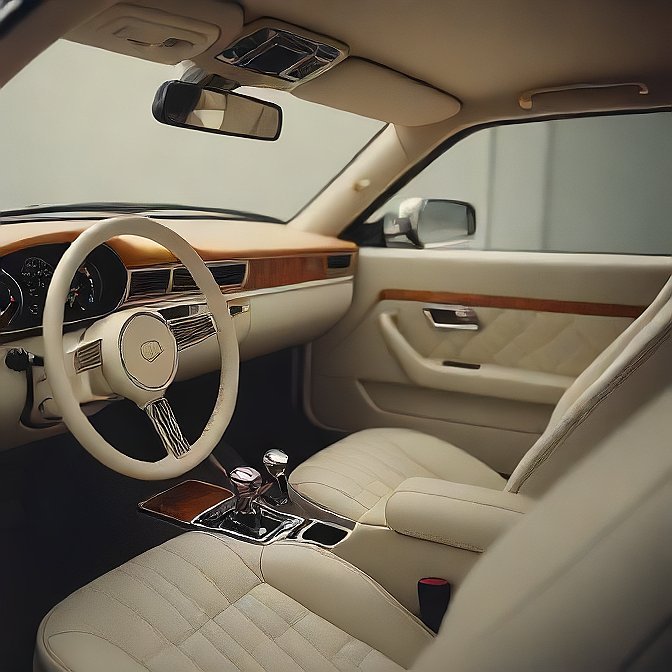
The development of sustainable interiors has yet to take off. The smart sustainable materials will be used in future cabins in order to adjust to the temperature, wear and use habits. The manual of manufacturing models will become more circular, with the interiors being completely recyclable or reusable, which will produce an even greater reduction in waste and bring the automotive industry to the next level of real sustainability.
Conclusion:
Not only will Eco-Friendly Car Interiors become a hype in 2025, but it will also be a smart, trendy and environmentally friendly option for any driver. The contemporary cabins are cozy, luxurious, nature-friendly, and all their products are crafted in vegan leather trims, with recycling of plastic, natural fabrics, and ethical sourcing.
The more durable and healthier interior that is much closer to the market is not only greener, but also sustainable and environmentally conscious behind the wheel. Nevertheless, regardless of the type of car model that you may be driving, whether it is a luxury EV, a hybrid, or a daily driver, the fact that the interior material that you are currently using is a sustainable one is a progressive step as it will transform your life in a positive way.
For more info: Click Here.
FAQs
1. Do green interior car materials last long enough to use on a daily basis?
Yes. Sustainable materials in the modern world are designed to last long, withstand wear, fading, and stains. They can be used on a daily basis since they usually perform better than traditional materials in terms of maintenance and life cycle.
2. Do environmentally-friendly interiors of cars add resale value to a car?
Generally, yes. Cars that have sustainable interiors with low adaptations will attract more buyers who are concerned about the environment and more likely to maintain the car value over time given the increasing popularity of the green driving philosophy.