Table of Contents
Introduction
A long ride could be an adventurous adventure that can be done on the scenic roads, to a place of work or in a cycling competition. But there is one thing that can make or break your ride: the bike seat. The right design of the bike seat would not only make it more comfortable but also make it more of a performance, prevent injuries and make you move on and on.
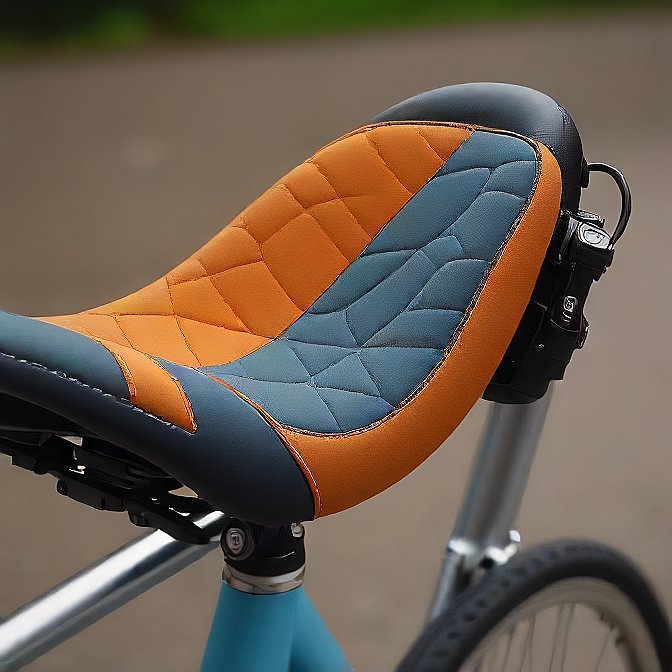
The design of the bike seats has evolved since the era of padding in the year 2025. The current tendencies of the innovations are premised on ergonomics, premium materials, and even smartness with the purpose to provide a rider with the utmost level of comfort. This guide will talk about the emerging trends in the design of a bike seat, the features you should consider when making long rides and will help you in choosing the best bike seat to use on your biking.
The Development of the Bike Seat Designs: Classic to 2025 Innovations.
The design of the early bike seat has been developing over time since the invention of the bicycle. The traditional leather saddles were very strong but could not offer comfort, especially when people rode long distances. With cycling gaining popularity the riders needed better ergonomics and the manufacturers experimented with different means of foam padding, suspension and broader designs.
Nowadays, ergonomic studies are at the forefront of the development of modern bike seats. The pressure points, hip position and riding position are researched by scientists and designers to develop seats that minimize discomfort and help to avoid injuries.
The key differences between the 2025 and classic design of the bike seat are highly developed materials, adjustable support, and built-in technology. In contrast to the older seats that were in one position, modern seats can be adjusted into your body and come with certain cushions and support so that you are comfortable even when travelling long distances.
Top Features in 2025 Bike Seat Designs
Bike seats now are not about padding anymore: they are comfortable, performance-oriented, innovative:
- Memory Foam and Gel Inserts: This type of padding insert will shape itself around your body, removing the pressure points so that it can provide long-distance comfort.
- Adjustable seat angles and suspension systems: Riders have the ability to adjust their seat to a comfortable position and there is an in-built suspension that prevents shocks in case of uneven roads.
- Slim and Tough Materials: Carbon fiber and high-end polymers ensure the strength of the seats without any additional weight, which is what light performance cycling should have.
- Breathable and Moisture-Wicking Covers: The modern seats will be cool and dry, even during very long and hot rides.
Comfort Meets Style: Trendy Aesthetics in 2025 Seats
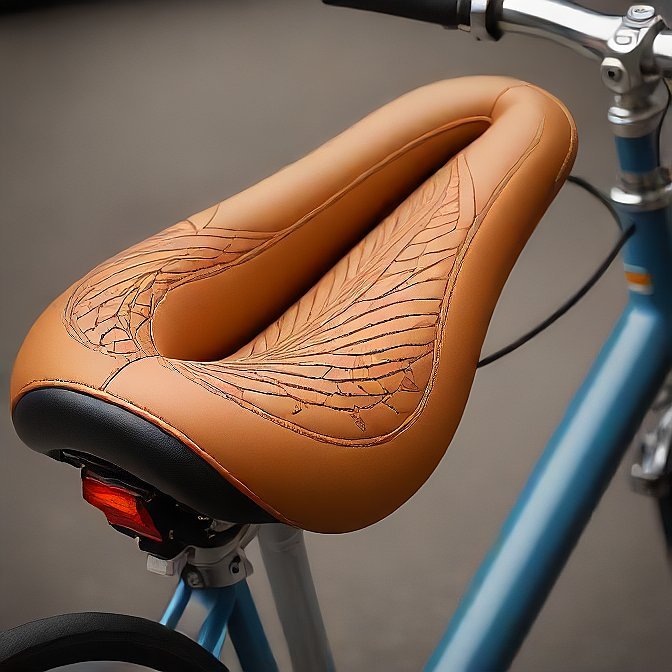
The designs of bike seats will not be functional only but will be stylish as well in 2025:
- Sleek Minimalistic Designs: These are ideal among the urban cyclists who will desire sleek lines that are modern without compromising on comfort.
- Vibrant Color Choices and Dash Designs: Riders can be as bold as they wish to be with the help of bright design and limited edition finishes.
- Smart Feature Integration: These are some of the seats that now have posture tracking and pressure mapping sensors, as well as an ability to integrate with bike apps to improve performance.
How to Select the Ideal Bike Seat to Ride On.
Not every biker can fit in every bike seat. The type of seat to ride on would depend on how you like to ride your bike:
- Road biking vs. Mountain biking vs. Touring: A road bike is normally fitted with a slim and lightweight seat; the advantage of a mountain bike is that it is fitted with more cushions and shock absorbers; the touring bike is more comfortable when taking a long ride.
- Seat Width, Shape, and Padding: Where casual riders are concerned, wider seats may be employed to provide them with much support and where there is too much leg movement, narrower ones can be employed.
- Test-Riding: It is always advisable to test a chair before purchasing. The shape or padding may change slightly and this may be of great impact in terms of comfort during long rides.
Check Out: Custom Bike Colors 2025: Top 10 Designs That Grab Attention.
Usability and Health Advantages of the Present-day Bike Seats.
The modern bike seat design has shifted the focus to ergonomics in order to keep the riders comfortable and healthy:
- Elimination of Pressure Points and Numbness: Advanced padding and gel cushions equally distribute the load, avoiding numbness and pain in the case of long rides.
- Encouraging Proper sitting Position and Back Position: The seats are shaped in an ergonomic manner, which accommodates the pelvis and the lower back and promotes the correct sitting position and less stress to the spine.
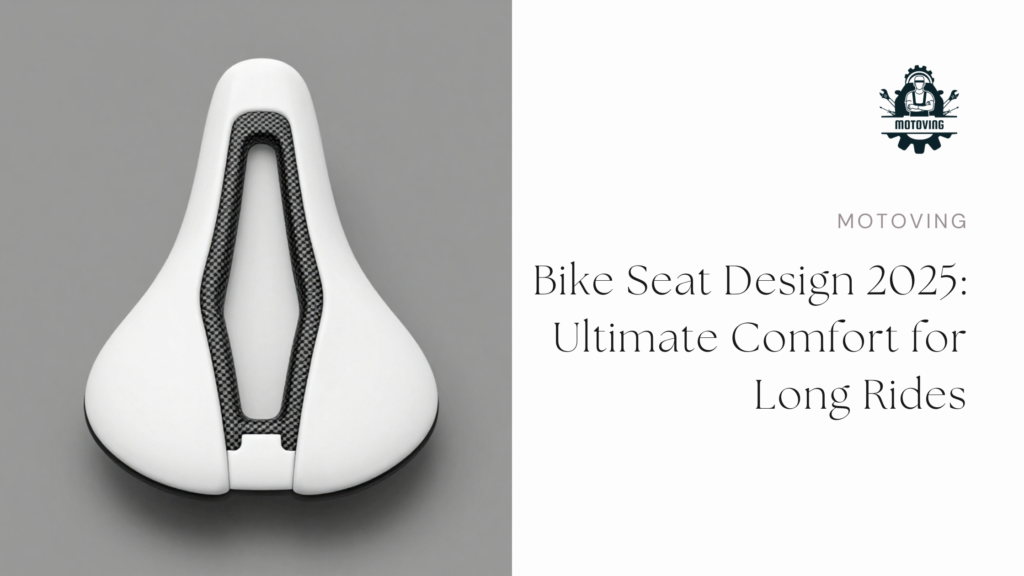
- Prevention of Common Cycling Injuries: Cut-outs, flexible rails and adaptive cushioning reduce the chances of saddle sores, compression of nerves and other injuries associated with cycling and this feature makes long distance rides not only more comfortable but also safer.
How to maintain your bike seat to make it comfortable and long lasting.
The finest bike seat requires some attention to guarantee its comfort and the duration of its lifetime:
- Cleaning and Material Care: washing with low-concentration soap and water. Where there are leather seats, they are moistened with some conditioner to prevent cracking. Do not involve the use of hard chemicals that could ruin foam and fabric covers.
- Check Wear and Tear: The rails, padding and cover material should be checked regularly. Examine the cracks, wear and loose parts that can inconvenience the comfort and safety.
- How to Change Your Bike Seat: In case you observe constant pain, any physical harm, and also the padding hanging down, it is time to replace your bike seat. Well-maintained seat would ensure that every ride will be a comfortable painless ride.
Smart and Adaptive Technology Bike Seat Designs Future.
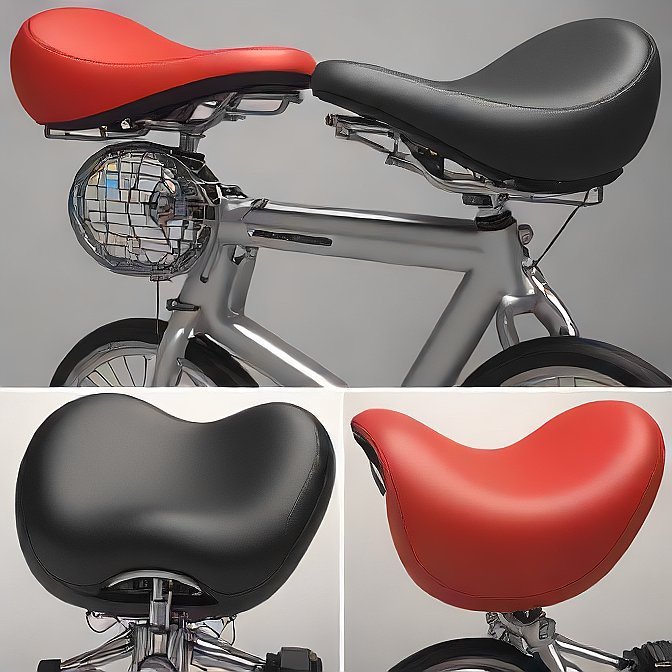
Innovation and customization is all in the future of bike seat designs:
- AI-Controlled Posture Adjustments: The seats of the future will be able to adjust the angle and firmness of the seats automatically depending on the posture of the rider and the ground.
- Performance Monitoring Sensors and Connectivity: Pressure point, cycling performance and ride analysis sensors are increasingly being fitted to some seats, which can be synchronized with an app to help improve performance.
- What 2026 and Beyond Could Possibly Have: Futuristic fully adaptive seats, which learn your riding style, high-tech materials, which react to your temperature and weight, and total integration with smart bikes will be the dream personalized cycling experience.
Conclusion
Selection of the proper bike seat has ceased to be an issue of padding but comfort, performance and health. The 2025 bike seat designs will be a blend of high-tech ergonomics, materials, and even smart technology to make sure that rides of long distances are comfortable and cause no harm. Learning the newest trends, peculiarities, and the way to select a seat that best fits your riding style, you will be able to make each ride a comfortable and efficient adventure. Today, buy the proper bike seat and you will notice it on every ride.
For more info: Click Here.
FAQs
1. Why is a bike seat design ideal in order to travel far?
An ideal long-ride bike seat will disperse the pressure and ensure the correct position and provide some cold-padded foam or gel to eradicate the issue of numbness and pain.
2. What of the choice of the right seat width and shape for my body?
Measuring the sit bone width and taking into account the type of riding. Broad seats are typically more suitable for casual or touring riders but narrower ones are to suit road and performance cyclists. The best fit is to be found by test-riding.
3. Are bike seats of high technology worth it?
Yes, sensor-based chairs, posture detection, and adaptive versions can greatly increase the comfort level, alleviate injuries, and improve performance, particularly for long-distance or regular ride riders.
4. What is the rate of replacing the bike seat?
Bike seat replacement should be considered in case the padding becomes slack, the covering is visibly worn, and uncomfortable even after some adjustments. In the case of the frequent riders, this can be after every 2-3 years.
5. Will bike seat designs reduce bicycling injuries?
Yes. Ergonomic designs today alleviate the pressure and stress of nerves and soft tissue, provide proper posture and decrease saddle sores, which can contribute to the prevention of the typical cycling injury issues in the process of long rides.
6. Do men and women designs of bike seats differ?
Yes. Men and women are different in their anatomy hence, the majority of the modern bike seats are designed uniquely to support and as comfortably as possible on the basis of the pelvis structure and the breadth of the rider.