Table of Contents
Introduction – The Dawn of AI in Car Design
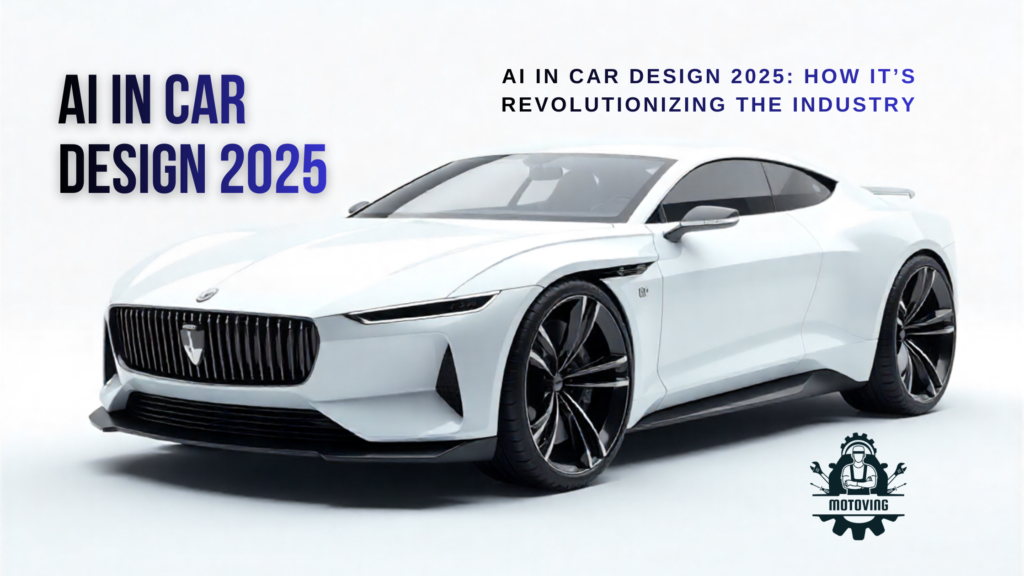
There is an evolution in the car design world, and AI in car design is the heart of the revolution. The concept of artificial intelligence does not seem far-fetched in 2025, but it is also already having an impact on the vision of cars, how they are designed, and even developed. AI is transforming the landscape of the automotive industry by reinventing the potential in the field in terms of design, streamlining, safety, efficiency, and personalization, among others.
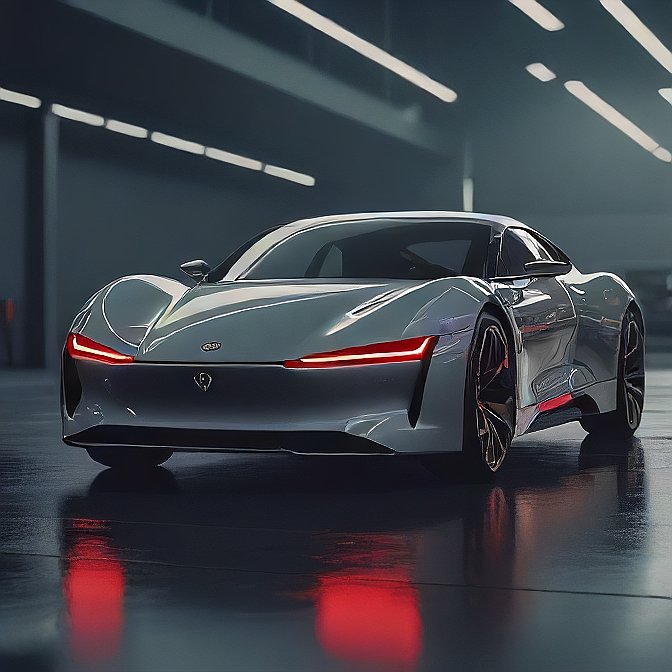
The intelligent systems of car designers are currently working in cooperation with intelligent patterns of analyzing millions of architectural options, the use of materials that could be used to perform better and be more sustainable, and even predict the most trusted outcome. This merging of machine intelligence and human innovativeness is producing vehicles that are smarter, safer and more innovative than ever before.
This article will discuss the AI in car design as a revolution in the industry, the technologies, practical examples of the major automakers, and how it is changing the future of the industry and its car designers as well as drivers.
How AI is Transforming the Car Design Process
The adoption of AI in automobile design is transforming the concept of vehicle design. Designers and engineers currently cooperate with intelligent systems that have the ability to process vast data volumes, simulate, and offer innovative solutions and far superior to conventional ones. This is the way AI is transforming the design process:
Between Idea and Product – Within the Speed of Light.
The days when it used to take years to design a new car are long gone. The automakers can now design, produce a functional prototype within record time with AI-based simulations, digital twins, and generative design tools. A large number of design options can be tested in a short period by AI, and the most promising choices are suggested to be made in terms of performance, appearance, and manufacturability. Not only does it speed up the schedule but it also saves money and eliminates misjudgments during the preliminary phases of the development process.
Structure and Material
The artificial intelligence algorithms interfere with materials and structural designs to arrive at lighter, stronger and more sustainable vehicles. Stress tests and real-life environments can be stimulated to enable AI to assist engineers in selecting the most suitable combination of metals, composites and environmentally-friendly materials. The outcome is safer, fuel-efficient and environmentally friendly cars.
The Artificial Intelligence of Safety and Aerodynamics.
Modern car design is all about safety and aerodynamics which are becoming smart courtesy to AI. The predictive modeling process enables designers to predict the effect of crashes and optimize the structural strengthening before physical testing. AI also analyses the airflow patterns and drag coefficients which allows vehicles to be as efficient as possible with smooth and eye-catching appearances.
AI in Interior and User Experience Design
AI is not only changing the exterior, but it is also redefining the interior as well as the user experience of cars. Smart cabins and customized infotainment are just the beginning of the AI that makes all rides even more comfortable, interesting, and environmentally friendly.
Intelligent Cabin Layouts
Designers are able to optimize cabin layouts with the use of AI towards ergonomics, comfort, and accessibility. The issues of seat positioning, dashboard design, and storage solutions are now tailored to accommodate the needs of a wide variety of drivers and passengers, making our driving experience more pleasant.
Individualized In-Car Experiences.
Artificial intelligence allows adaptive user interfaces and voice assistants that can get to know what each driver likes. The ride is personalized with AI controlling climate and music recommendations, giving driving alerts, and driving, so that technology does not feel intrusive but intuitive.
Making Sense on Sustainability.
The 2025 vehicles are focused on sustainability which is assisted by AI. AI ensures that interiors are eco-friendly and technology-driven with the choice of environmentally-friendly materials and optimization of energy consumption in hybrid and electric vehicles.
Check Out: Wireless Car Charging 2025: The Future of EVs Is Here.
Case Studies – The Major Automakers That Design Cars through AI
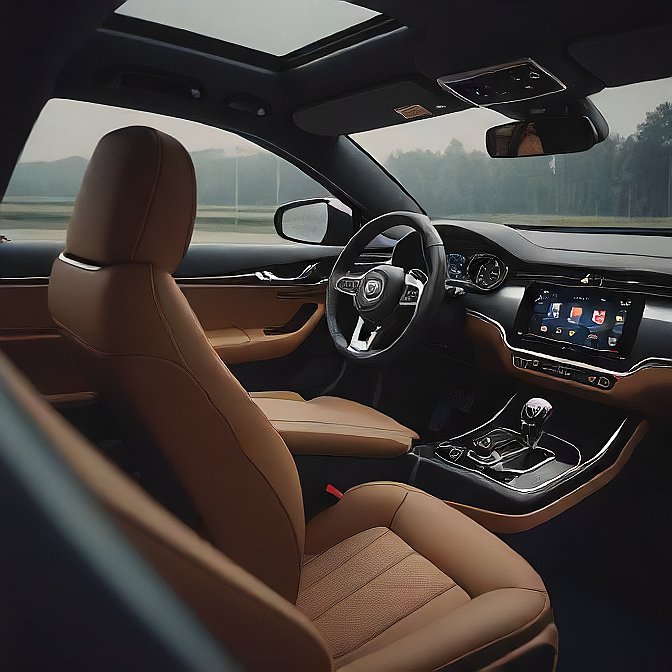
The application of AI in automotive technology is being pushed to the next level by some car manufacturers of cars.
- The AI Innovation.
- These industry powerhouses are leveraging AI to design easier, more efficient cars as well as smarter and safer vehicles. Tesla uses AI in its Autopilot and design simulations, BMW uses AI in its material efficiency and customization of cabin and Mercedes uses AI in its safety and aerodynamics facets.
- Redefining Automotive Creativity Startups.
- The smaller companies are also creating a splash with the utilization of AI to transcend the design boundaries. Such startups are able to experiment with radical ideas and come up with radical, futuristic designs that large automakers might be reluctant to develop.
- Lessons Learned: Concept Cars and Limited Editions.
- The innovation potential and creativity are followed in the use of AI in concept vehicles. How AI can be exploited to integrate art and engineering is demonstrated in special series and test releases, which will result in mainstream designs in the future.
Advantages and Problems of AI in Car Design.
The introduction of AI in designing cars is accompanied by amazing possibilities, but it is connected with its complexities as well. There should be an understanding between the manufacturers, designers and consumers.
Advantages
The AI has the following transformative benefits to the automotive industry:
- Speed and Efficiency: AI is capable of going through millions of design permutations in a small fraction of the time that human designers can do so, though it saves on development cycles drastically.
- Cost Savings: Reduced prototypes and increased accuracy of simulations will reduce the costs of production and material wastage.
- Personalization: AI will also be capable of analyzing consumer preferences and making changes to the design, which will provide an opportunity to personalize more interiors, features and user experiences.
- Sustainability: During the production of cars, AI makes them less heavy, a feature that makes them more fuel-efficient and even, environmentally friendly optimizing the materials and energy consumed.
Such benefits are making sure that the vehicle is safer, more efficient, and more congruent with the driver, showing the practical impact of AI.
Challenges
In spite of positive aspects, there are obstacles to AI in car design:
- AI Bias: Under the conditions that the information on which one feeds the AI systems is limited or biased, the design recommendations are to be noted as favoring a particular group of users over others (s).
- Intellectual Property Problems: Who owns a design: Is it the designer, the manufacturer or the algorithm? The legal systems are in a transition stage.
- Design Authenticity: Overuse of AI may indirectly lead to homogeneity of designs so that the design is less innovative.
It is a challenging task that will have to be handled with care and a combination of human work and cooperation with machines as well as the development of industry standards.
Future of AI in Car Design
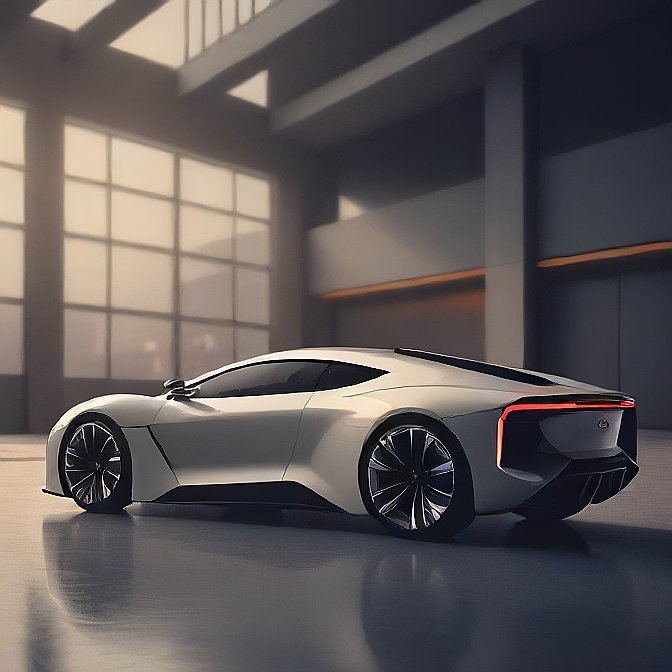
Artificial intelligence designing cars will keep gaining power. As the technology continues to develop in the future, greater revolutionary technologies will be experienced over the next decade.
The Future of The Next Wave of Innovation.
One can only hope that in the future we can have completely autonomous design systems that will result in a complete vehicle with the bare minimum human involvement. Creativity can also be shown to a higher level with AI combining aesthetics, performance, and sustainability in a manner that nobody could have thought of before.
AI and Human Collaboration
Instead of taking over human designers, AI will also become a co-creator more often. The designers and AI will collaborate to brainstorm, test, and work out details to make sure that the end product will be based on technical accuracy and artistic inspiration. This collaboration will deliver smarter, efficient, and aesthetically pleasing cars.
Conclusion
In 2025, the automotive industry is changing its face due to the emergence of AI in car design, whereby all the processes of the concept, design, and production are reshaped. Some of the ways AI is transforming the design process are by speeding up the timeline, improving safety, aerodynamics, and material optimization to maximize sustainability, and customizing the in-car experience. Despite issues such as ethical concerns and design integrity, the partnership between human ingenuity and AI intelligence holds a brighter and safer future of more brilliant automobiles.
As AI continues to evolve, designers or customers can get the privilege of having technically superior cars, and at the same time, be customized as per his or her taste and environmental demands. The concept of AI-based automotive design is here with us and it is changing the way we think about mobility.
For more info: Click Here.
FAQs
1. What is AI in car design, and the reason?
In vehicle design AI has been established as the usage of artificial intelligence in designing, testing, and optimizing the design of vehicles. It is important because it will grow faster, cost less, be more secure, and personalized and sustainable vehicles.
2. Which are the AI design technologies industry leaders, by car companies?
Large car manufacturers that are leading in adopting the use of AI in designing their cars. Ambitious and new automotive ideas founded on AI are also taken into consideration by many startups.
3. What will become of driving experiences as AI is developed in the design of cars?
AI will also ensure smarter and more intelligent cars that will provide personalized user interfaces, streamlined interiors, enhanced performance, and safety. The technology will not only change the way cars are manufactured but also the way people drive and ride the cars.