
Table of Contents
Introduction – Hybrid vs Petrol vs Electric
The 2025 world of automobiles is more than ever-changing. The increased cost of fuel and the narrowing of the emission standards and the emergence of electric cars are changing the way of thinking concerning cars. You have already guessed, but whether you are going to purchase a new car this year or not, the question has arisen in your mind: Which of the three is really better Hybrid or Petrol, or Electric?
Each of the two has advantages and disadvantages, and petrol cars are everywhere and readily available, hybrids are in the middle comfortably, and electric cars are leading the way to a green world. But which one do you choose when the choice is so extensive that it has to be taken based on your lifestyle, budget, and environmental goals?
An illustration of the key differences between Hybrid vs. Petrol vs. Electric Cars, visualizing the prices, performance, technology, and environmental impact, among others, will be decomposed in this guide. By the end of it, you will be certain of what type of car is the new car that is the right car that will fit you in 2025.
The Hybrid, Petrol and Electric cars: The fundamentals.
To come up with a final decision on the kind of car that you would like to buy, you need to know how Hybrid vs. Petrol vs. Electric Cars operate, and why they are different.
What is a Petrol Car?
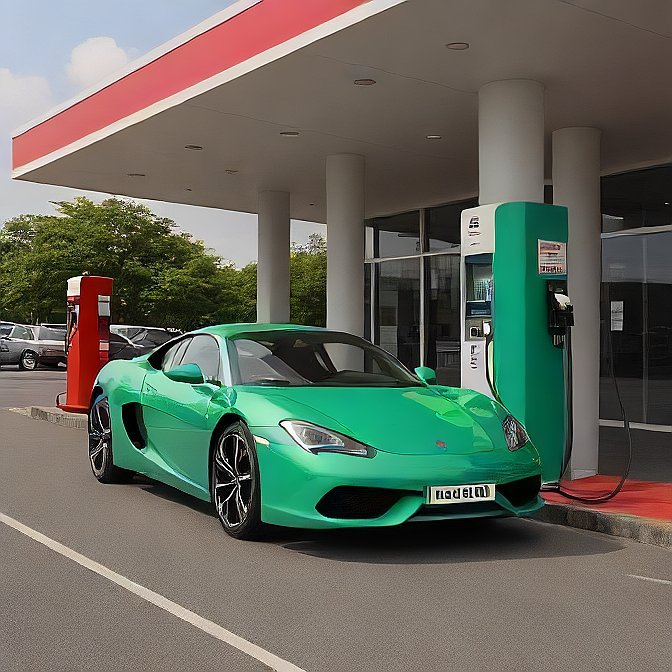
The vehicle also has a petrol engine also known as an internal combustion engine (ICE) and the engine consumes petrol to generate power. They are overpopulated, fuel-efficient and most of them cost relatively less to buy compared to the hybrids, not mentioning the electric cars.
Pros:
- Less expensive to buy than hybrids and EVs.
- Extensive and easy-to-find refueling system.
- Dependable long-distance driving.
Cons:
- Higher fuel costs over time
- Causes a lot of carbon emissions.
- The engine is advanced and thus needs to be serviced frequently.
What is a Hybrid Car?
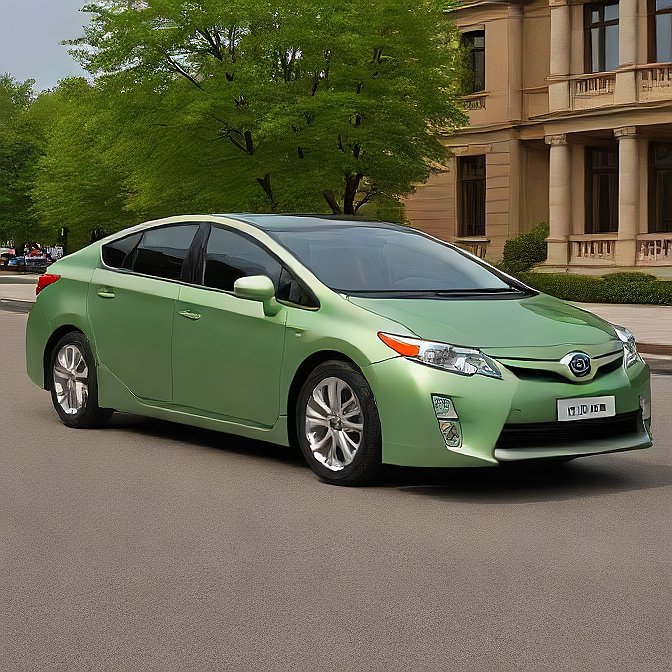
A hybrid car is a vehicle that uses a mixture of a petrol engine and an electric motor which also enables the vehicle to convert or even revert to both power supplies at the same time. The technology is not so polluting, more economical and also provides a better ride in the city.
Benefits:
- More efficient fuel consumption than those that are propelled by pure petrol.
- Fewer emissions are less detrimental to the environment.
- Regenerative braking assists in driving to charge the battery.
Considerations:
- A little more expensive initial investment than petrol automobiles.
- Replacing a battery is very expensive after a number of years.
- A complex system might need special maintenance.
What is an Electric Car?
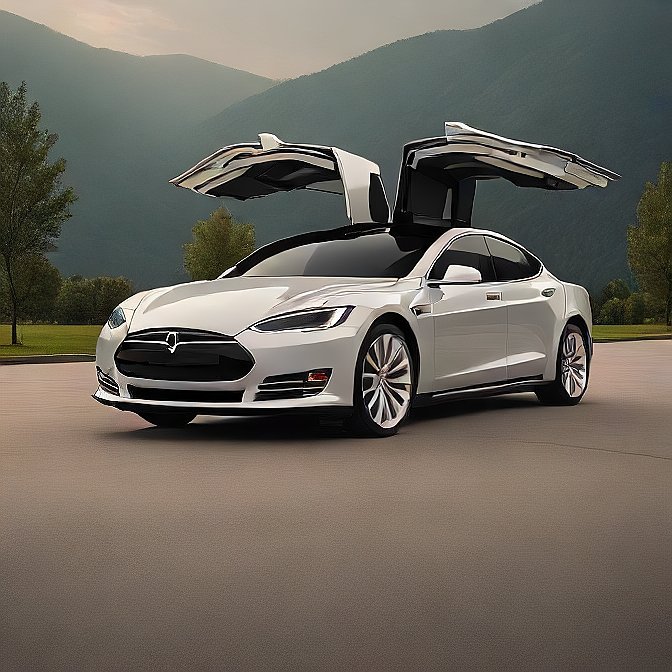
Electric cars (EVs) are completely electric with massive batteries. They actually do not use petrol; they are powered by electric motors which provide them with instant torque and a smooth and quiet driving experience.
Advantages:
- Emission-free tailpipes and therefore environmentally friendly.
- Reduce the cost of running the business because electricity is cheaper as compared to petrol.
- Low engine maintenance needs.
Considerations:
- More expensive initial investment, but the prices are declining in 2025.
- Lack of charging facilities in certain locations.
- Life and replacement of the battery.
Cost Comparison: What Will You Pay?
Money is a factor in the selection of Hybrid vs. Petrol vs. Electric Cars. Let’s break down the costs in 2025.
1. Purchase Price Differences
- Petrol Cars: Petrol cars as a rule are the cheapest in terms of start-up cost, hence their ability to sell to low-income earners.
- Hybrid Cars: Hybrid cars are a little more expensive than petrol cars as they have a dual powertrain technology.
- Electric Cars: This is more expensive at the very beginning, but it is decreasing gradually due to the enhancement of better battery technology.
2. Fuel and Running Costs
- Petrol Cars: Fuel is paid for on a regular basis, and fuel prices are rising.
- Hybrid Cars: The energy consumption savings would be recognized in the long term.
- Electric Cars: Home charging is affordable and convenient and electricity cost is lower than compared of petrol.
3. Maintenance
- Petrol Cars: Having more parts that move will imply increased maintenance and repairs.
- Hybrid Cars: Hybrid cars are a little more complicated than petrol cars but tend to be reliable; the potential of battery life is a consideration.
- Electric Cars: This is less and thus needs fewer parts to be maintained but when it comes to replacement of the battery, this can be costly in the long run.
Performance and Experience
Cost is only as important as driving satisfaction. The following is a comparison between Hybrid and Petrol Cars and Electric Cars.
1. Acceleration and Power
- Petrol Cars: There is smooth acceleration and the power is supplied in a steady stream.
- Hybrid Cars: They are a combination of petrol and electric motor that offers moderate performance.
- Electric Cars: The fast response to the acceleration and the responsiveness of the driving are ensured by the instant torque.
2. Parking and Fueling/Charging.
- Petrol Cars: Long-distance travelling becomes easy as there are fast refueling stations.
- Hybrid Cars: Flexibility: Hybrid cars can have range anxiety that is eliminated through flexibility, at times when the battery is depleted, petrol can be used.
- Electric Cars: Range: Tesla will continue to increase the range of its electric cars in 2025, although the infrastructure to charge the cars should be taken into consideration.
3. Smoothness, Noise and Comfort.
- Petrol Cars: The noise of the traditional engines can be heard.
- Hybrid Cars: Not as noisy as petrol particularly when in electric mode.
- Electric Cars: they will be nearly silent, smooth, and the vibration will be reduced.
Check Out: SUV vs. Crossover 2025: The Real Difference You Need to Know.
Greenness: Environmental Impact.
One of the key issues for contemporary car consumers is sustainability. Here’s a breakdown for 2025 models.
1. Carbon Emission and Pollution.
- Petrol Cars: The worst tailpipe emissions.
- Hybrid Cars: Less control emissions due to the partial electric power.
- Electric Cars: There is no tailpipe emission; however, the question of the origin of electricity must be asked.
2. Considerations regarding the energy source.
- The environmental advantage of EVs will be based on the source of electricity it is renewable or a fossil fuel.
- Hybrids consume less fuel but again, they use petrol.
- Fossil fuels are fully relied upon by petrol cars.
3. Footprint of the Long Term Environment.
- Hybrids and EVs have to deal with battery production and disposal.
- The program of EV recycling is enhancing sustainability in 2025.
- Even the lifetime emission of petrol cars is higher than that of the battery used in an EV, though they have a smaller production footprint.
Innovations and Technological Characteristics.
The driving experience is changing at a very fast rate because of technology. It will be a petrol, hybrid, or electric car, but one way or another, the models in 2025 will be overloaded with features that will make it smarter, safer, and easier to drive.
1. Smart Technologies in Petrol, Hybrid and EV.
Cars are not engines but it is rather a networked set of devices that are on wheels. Features include:
- Infotainment Systems: touch screens, integration and voice controls of smartphones.
- Driver-Assist Systems: Lane-keeping system, adaptive cruise control system and automated parking.
- Connection: Live traffic, car tracking, and mobile applications.
Despite the smart features of each of the three types of cars, EVs tend to be more technologically advanced as they are designed with a digital-first approach.
2. The Future-Proofing of a Vehicle.
- OTA updates: EVs and some hybrids can be remotely patched to add improvements to the software, as well as add features in later software updates.
- Ready to Drive Autonomously: Many vehicles in 2025 will have semi-autonomous driving capabilities with the most integrated being EVs.
- Software Upgrades: Do not spend a lot of money to upgrade your car after every five years because it will be improved with a better navigator and battery management in addition to the driver assistant.
3. Innovations 2025 battery and engine.
- Hybrid Cars: More efficient engine braking systems and the use of less fuel is achieved through more power-efficient systems.
- Electric Cars: 2nd-generation batteries have a higher range and are faster to charge and have higher durability.
- Petrol Cars: The engines and the efforts in reducing emissions remain roomy and make them competent, as they do not cause as the damage to the environment as much, as well.
Government Incentives and Regulations
The policy of the government is driving car preferences like never before. Incentive knowledge should have a great influence on the overall ownership expenses.
- Tax Benefits and Subsidies: Most countries provide financial incentives on the purchase of EVs and hybrids such as tax credits, rebates, and reduced registration fees.
- Low-Emission Zones: Zones are being implemented in cities that prefer hybrid and electric cars, which are more convenient to use in the city.
- International EV Implementation: The governments of the world are also investing in charging infrastructure, renewable and more rigorous requirements of emission regulation.
These steps will also contribute to the fact that hybrids and EVs will be cheaper, and petrol cars may be exposed to increased taxes and limitations in the cities.
Who Should Choose What?
All the drivers possess different needs. This is a useful tipster on how to make up your mind in 2025 between Hybrid vs Petrol vs Electric Cars.
1. Best for City Commuters
- Electric Cars: Best for short-distance commuting, low emissions and convenient in urban commuting.
- Hybrid Cars: These cars will be the most perfect in areas where EV charging infrastructure is unavailable.
2. Majority fitted to long-distance drivers.
- Petrol Cars: They are the highway-appropriate type due to their capability to refuel in a short time span not mentioning the fact that they have a long range.
- Hybrid Cars: A Fair between type and efficiency.
- EVS: Appropriate in case charging stations are situated conveniently along the routes.
3. Most Economical to purchase.
- Petrol Cars: The initial expenses are less, they are also easy to service and refueling is very common.
- Hybrid Cars: Very little increase in initial purchase price yet it saves on fuel expenses in the long run.
4. Most eco-conscious consumers would consider this the best alternative.
- Electric Cars: zero emission and emerging green technology.
- Hybrids do not use as much fuel as petrol and do not emit as much.
Conclusion
The necessity of choosing between the Hybrid, Petrol and Electric Cars in 2025 will be dependent on your lifestyle, your budget and your environmental priorities.
- Petrol Cars do not lose their popularity even with long-distance drivers and those with a smaller budget.
- Hybrid Cars offer a compromise between fuel efficiency, reduced emissions, and flexibility and thus they are perfect to drive over the city and highway.
- Electric Cars present the best eco-friendly and technologically advanced driving experience to urban commuters and buyers who take the issue of environmental concerns seriously.
The factors considered before choosing a vehicle include purchase price, running costs, performance, environmental impact and future-proof technology hence enabling you to settle on the most appropriate vehicle. That car of the 2025 paradigm does not necessarily need to be fast or fancy but it must be smart and sustainable and as such must fit your lifestyle.
For more info: Click Here.
FAQs
1. Electric cars or hybrid cars?
Hybrids offer an alternative to petrol and electric power, being the correct choice in those regions that do not have enough EV charging stations. Electric cars are, however, totally emission-free, and are often more technologically advanced which makes them a much more favorable choice in urban driving and are more concerned with sustainability.
2. What amount of fuel money will I save with a hybrid car?
Depending on the habits and the normal conditions of driving, hybrid cars typically consume 20 -35 percent of fuel as compared to petrol cars. The economies are especially evident in urban driving, whereby the regenerative braking and electric power result in a reduction of petrol usage.
3. Are electric cars suitable to carry out long-distance traveling?
Electric cars are becoming popular in order to undertake long-range trips that exceed 300-400km in one charge. However, the routes to be used with the available fast-charging stations should be planned in such a way that it is convenient, especially in regions with underdeveloped charging infrastructure.



I know electric or hybrid is the future but patrol car holds special place in heart 🚗 !!!
Absolutely—electric and hybrid cars may be the future, but icons like the Patrol have a timeless charm. That sound, presence, and rugged character create an emotional connection that technology can’t easily replace 🚗🔥